Adult BJJ Training in Manchester, NH: Find Your Fit in 2026
What if your first Brazilian Jiu-Jitsu class is less about keeping up and more about finding the right coach and pace? If you’re comparing options for adult BJJ training Manchester NH, you may be wondering what beginners do, whether your fitness or age will hold you back, and how to choose an academy from a few online posts.
You don’t need to arrive fit, experienced, or certain BJJ is for you. Start by finding out what a beginner class involves: how the instructor explains techniques, what partner practice looks like, and whether you can ask questions or pause when needed. Coaching and class culture matter as much as the schedule.
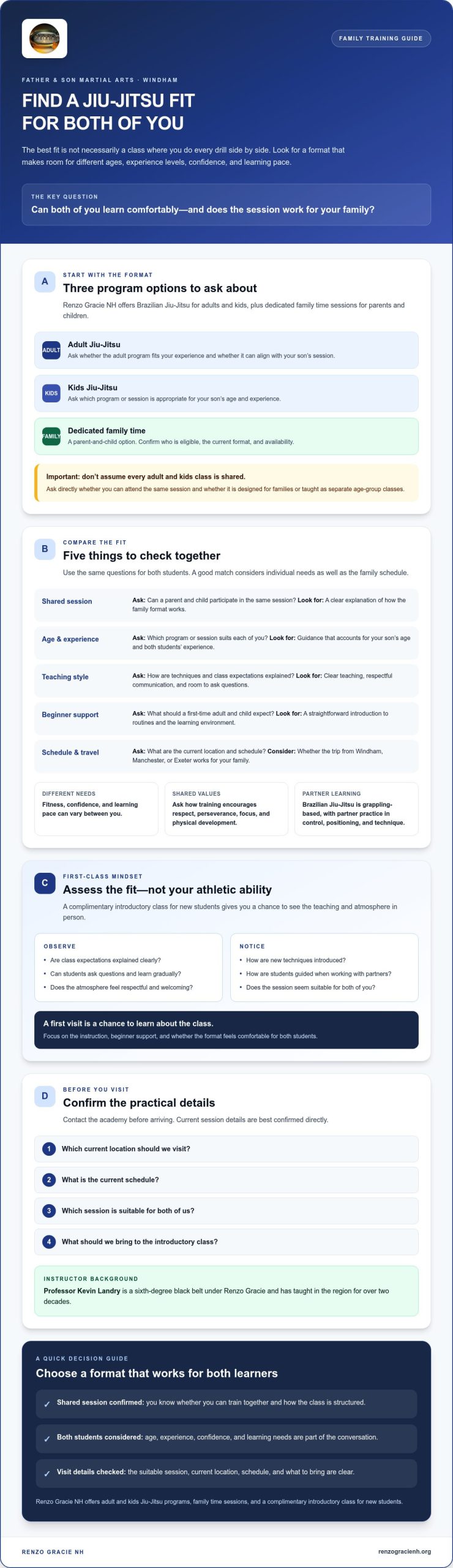
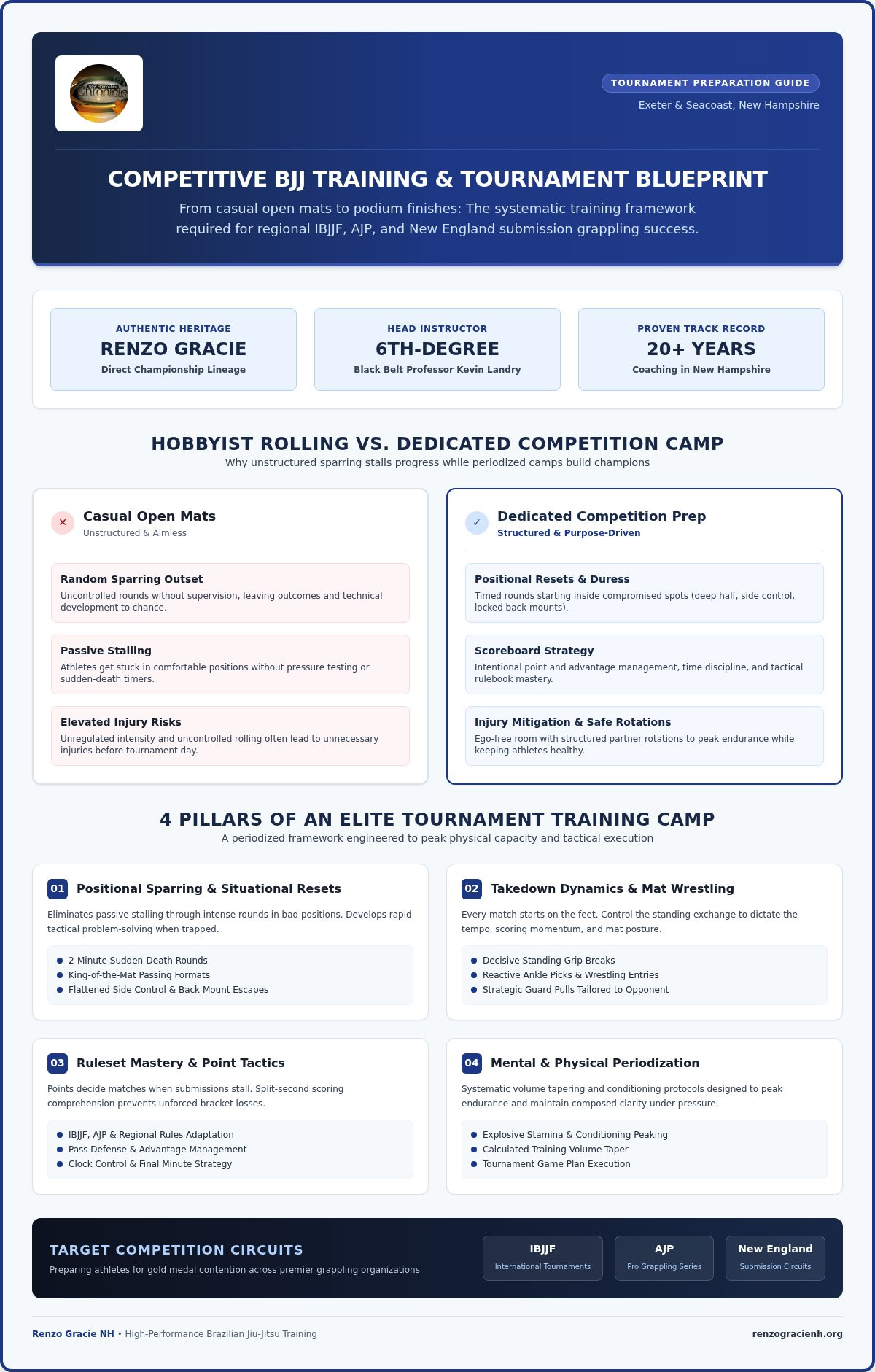
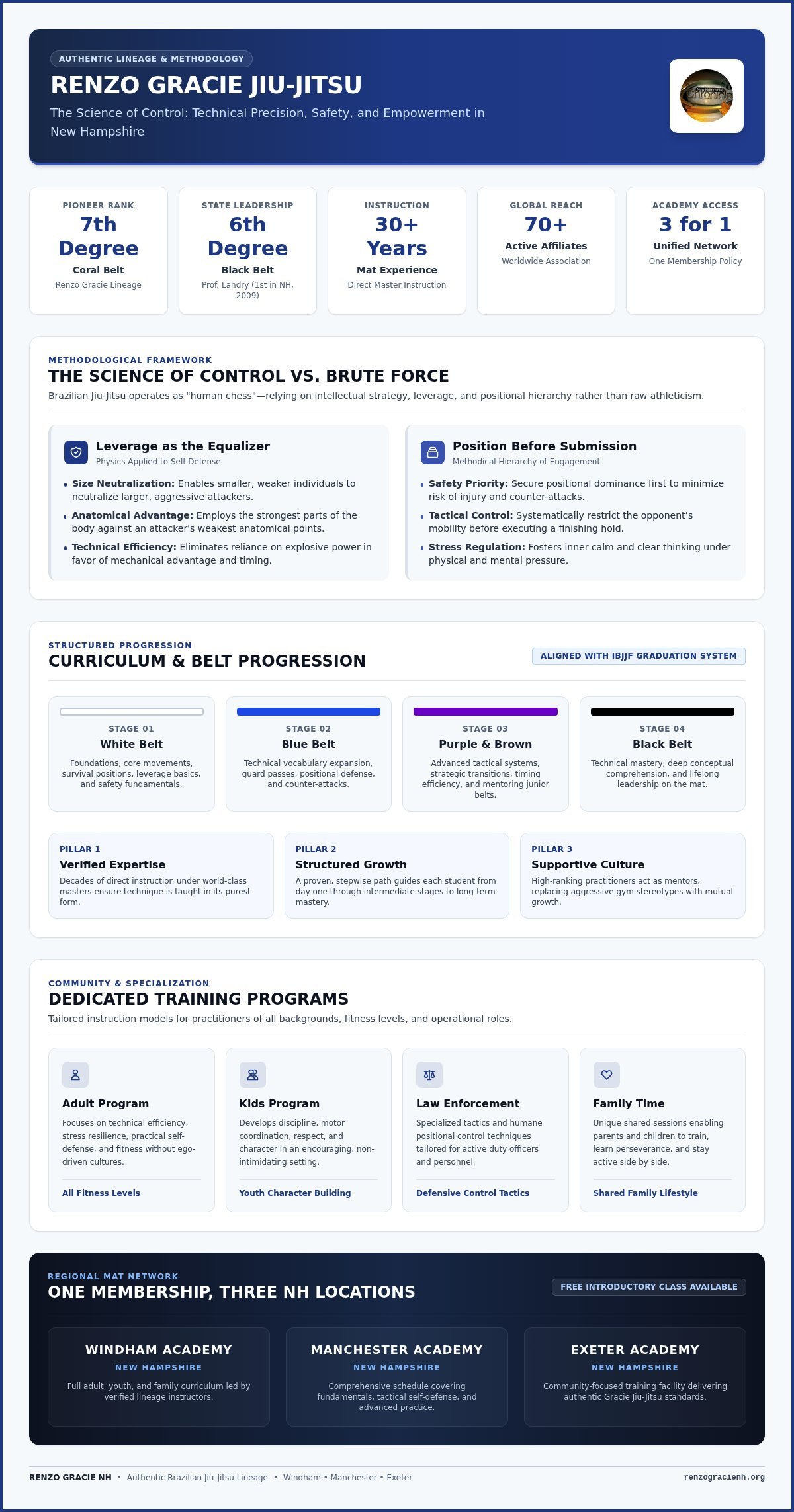
This guide explains what to expect in adult BJJ and gives you practical questions for comparing training options around Manchester, Windham, and Exeter. It also introduces Renzo Gracie NH, where Professor Kevin Landry, a sixth-degree black belt under Renzo Gracie with over two decades of regional teaching experience, leads instruction. A complimentary introductory class lets you experience the teaching and training environment before deciding what feels right.
Key Takeaways
- Adult BJJ training Manchester NH can be a way to learn grappling skills, add movement to your routine, and connect with a training community.
- Look for instruction that explains fundamentals, allows time for guided practice, and makes room for questions and feedback.
- Before your first class, ask how beginners are supported and how to share your experience, comfort level, or relevant concerns.
- Compare options in Manchester, Windham, and Exeter by confirming locations and class times, class format, beginner guidance, and trial options.
- Renzo Gracie NH offers a complimentary introductory class, so you can experience the teaching and training environment firsthand.
Adult BJJ Training Near Manchester, NH: What to Look For
Brazilian Jiu-Jitsu (BJJ) is a grappling martial art that uses positioning, control, and technique to manage an opponent, often on the ground. Unlike striking-based martial arts, its central practice is not punches or kicks. For a neutral overview of its history and principles, see Brazilian Jiu-Jitsu.
Adults take up BJJ for different reasons: learning a physical skill, adding movement to their routine, developing confidence through practice, or joining a community. The right academy depends on your goals and how its instruction fits your needs. Class formats and beginner support vary, so don’t rely on a listing or social post alone. Ask how a class is organized and what a new student will do.
What happens in an adult Brazilian Jiu-Jitsu class?
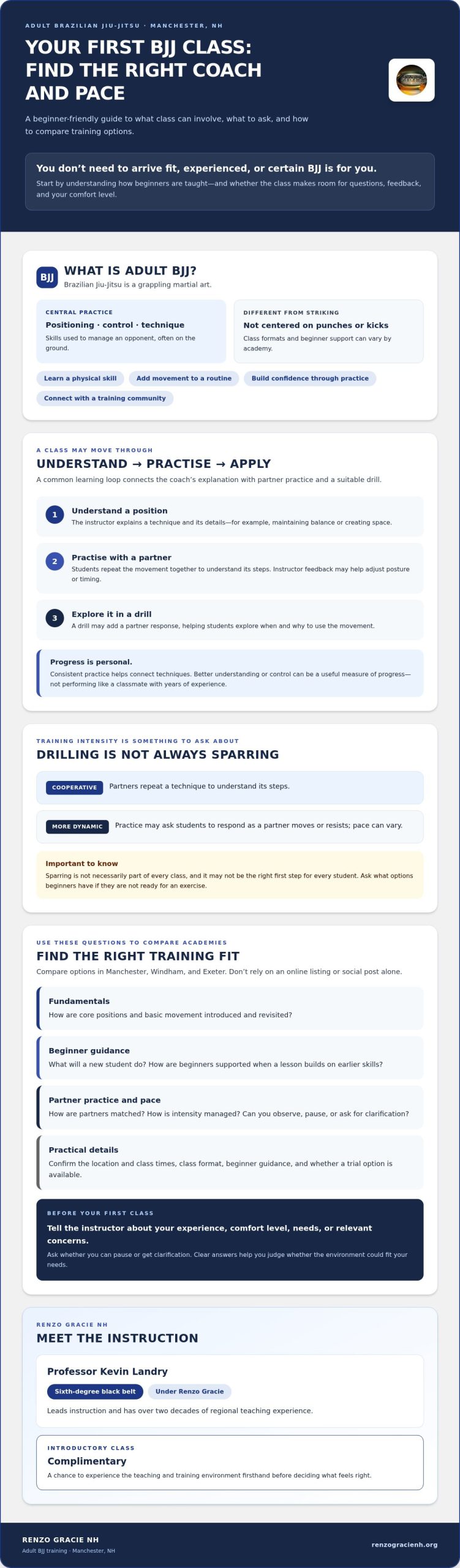
A class may include an instructor’s explanation, partner practice of a technique, and supervised drills that help students connect the steps. The balance varies by academy and class. Don’t assume every session includes live sparring or follows the same format. Ask what to expect in your first class, how partners are selected, and whether you can observe or pause if you need clarification.
Which goals can adult BJJ training support?
With regular practice, students can work on grappling skills, coordination, movement, and steady personal progress. What you gain depends on attendance, your individual needs, and the instruction. Progress isn’t identical for everyone, and competition doesn’t have to be your goal. If you’re new to training, this adult beginners’ BJJ guide offers more context on getting started.
As you compare options for adult BJJ training Manchester NH, use your goals to guide the questions you ask:
- Skill: How are fundamentals introduced and revisited?
- Fitness and comfort: Can you tell the instructor about your experience and needs?
- Community: How does the academy help new adult students feel included and supported?
Clear answers help you assess whether the training environment could fit your needs before you commit to a routine.
How Adult BJJ Training Builds Skills from Fundamentals to Practice
Skill-building in Brazilian Jiu-Jitsu often follows a learning loop: understand a position, practise its details, then try applying them in a suitable drill. For example, a coach might explain how to maintain balance and create space from a position before students repeat the movement with a partner. A drill may then add a response from the partner, helping students explore when and why to use the movement.
Consistent practice helps connect individual techniques into skills you can recognize and apply. Repetition makes movements more familiar, while instructor feedback can highlight adjustments to posture or timing. Over time, separate pieces of instruction may begin to fit together. The pace varies, and progress is personal. For a newer student, a useful measure may be better understanding or control, not whether they perform like a classmate with years of experience.
Why fundamentals matter for adult beginners
Core positions and basic movement provide a foundation for more complex techniques. Learning to stay balanced, create space, and move with control can make later lessons easier to follow. Academies may organize fundamentals differently, so ask how instructors introduce foundational material and whether beginners get help when a lesson builds on earlier skills. There’s no single curriculum or advancement timeline that applies everywhere.
How to think about drilling and live practice
In a cooperative drill, partners repeat a technique to understand its steps. More dynamic practice asks students to respond as a partner moves or resists, and the pace can vary. Ask how partners are matched, how instructors manage intensity, and what options beginners have if they’re not ready for a particular exercise. Sparring isn’t necessarily part of every class, and it may not be the right first step for every student.
Training goals can include learning new movement and building confidence through steady practice, but experiences differ. The University of Bath has announced research on BJJ’s mental health benefits; the announcement describes a study, not a guaranteed outcome for individual students. Ask what instruction looks like in practice, then decide whether the pace and guidance suit you.
If you’re exploring adult BJJ training Manchester NH, learn more about adult Jiu-Jitsu instruction at Renzo Gracie NH and consider how its approach aligns with your goals.
Worried Adult BJJ Will Be Too Intense? How to Judge the Training Fit
You don’t need prior martial arts experience to ask about starting Brazilian Jiu-Jitsu. Nor do you have to reach a particular fitness level before talking with an instructor. Adults begin with different backgrounds, needs, and comfort levels, so find out how a class welcomes newcomers and what choices you have during practice.
Training intensity and comfort can vary by class, partner, and activity. Before participating, tell the instructor about relevant concerns and ask what adjustments may be possible. If you have a health limitation, discuss it with a qualified health professional and the academy before deciding how to take part. You can also ask whether it’s possible to pause or observe an exercise rather than push through uncertainty.
Can adults start BJJ without being in shape?
People begin with different fitness levels, and there’s no single starting point that suits everyone. Ask whether instruction can be introduced gradually and explain any concerns that could affect your participation. You don’t need to prove your fitness before asking about a first class. A direct conversation helps you understand what to expect without relying on promises about results or assuming every student follows the same pace.
What makes a training environment feel supportive?
Look for observable signs, not just welcoming language in a listing. Do instructors explain techniques clearly and invite questions? Do partners communicate about pace and respect each other’s comfort? If you visit, ask whether you can watch a class or pause during an activity. The response to those questions can tell you more than a short social post.
Before choosing adult BJJ training Manchester NH, consider asking:
- For beginners: How are new students introduced to class activities?
- For comfort: What can I do if an exercise feels too intense or I need a break?
- For partner work: How are partners matched, and how do students agree on pace?
- For personal needs: Who should I speak with about a health limitation or concern?
Clear, respectful answers can help you judge whether the environment fits your needs. You’re not expected to know everything before you start. You can ask questions, set boundaries, and decide what feels manageable.
Compare Manchester-Area Adult BJJ Academies with These Questions
A short listing can help you find options, but it may not show what training will actually feel like. Ask the same questions of each academy, then compare the answers with your commute, the instructor’s experience, and how clearly staff communicate with prospective students. If you’re considering Manchester, Windham, or Exeter, verify each academy’s current location and adult schedule directly, since online details may change.
| What to compare | What to confirm | Academy notes |
|---|---|---|
| Location and commute | Where are adult classes held, and is the trip practical for your routine? | Record address and travel time |
| Adult class times | Which current classes are open to adults, and do the times work for you? | Record confirmed days and times |
| Beginner guidance | Can beginners join, and how are first classes introduced? | Note the explanation |
| Class format | What instruction, partner practice, or other activities should you expect? | Note how the class is structured |
| Trial options | Can you try a class, and what are the booking steps or participation requirements? | Record confirmed details |
Questions to ask before choosing an adult BJJ class
Get practical details before you visit: ask what to wear, what to bring, and whether there’s anything to know before participating. Find out how instructors pair students for practice and help partners agree on an appropriate pace. If you have a specific concern, ask who to speak with before class. Clear answers help you prepare and decide whether the setup feels comfortable.
How to assess coaching and academy culture
Look for evidence, not just promotional language. Do instructors explain techniques clearly, pay attention during practice, and make room for questions? Notice whether partners communicate respectfully and follow the instructor’s guidance. You can ask about the instructor’s experience and how lessons support students at different levels. Compare what you’re told with what you observe during a visit.
For adult BJJ training Manchester NH, a practical fit means a workable commute, suitable class times, thoughtful beginner guidance, and an atmosphere where you feel comfortable learning. Renzo Gracie NH offers a complimentary introductory class. Read the free introductory Jiu-Jitsu class guide to learn more, or explore training at Renzo Gracie NH as one option.
Try Adult BJJ Training at Renzo Gracie NH
Once you’ve compared class format, coaching, location, and training culture, an introductory class can help you experience an academy for yourself. Renzo Gracie NH offers adults a complimentary introductory class to explore Brazilian Jiu-Jitsu before deciding whether to continue.
Instruction is led by Professor Kevin Landry, a sixth-degree black belt under Renzo Gracie who has taught in the region for over two decades. His experience and lineage are useful context as you evaluate the guidance you’re looking for. Before visiting, confirm the current class location, schedule, booking steps, and participation requirements directly with Renzo Gracie NH.
What to learn during an introductory class
Notice how techniques are explained, how the class is structured, and how instructors respond to questions. Ask which adult classes suit your experience and goals, and what to expect as a new student. You don’t need to arrive with all the answers. Use the class to gather firsthand information and see whether the approach feels like a fit.
Before you go, contact the academy to confirm attendance details. Ask what to wear or bring, where to arrive, and whether you should take any steps before joining the class. Current details matter, so check directly rather than relying on an older online post.
Take your next step with confidence
A good choice should work for your day-to-day life, not just look appealing online. Consider whether the location is convenient, instruction is clear, the class format feels suitable, and students treat one another with respect. Weigh those observations against your goals and comfort level. You don’t need to commit to a long-term plan before you know what the training environment is like.
If you’re considering adult BJJ training Manchester NH, Renzo Gracie NH invites you to take a low-pressure first step and see how the academy feels in person. Learn about a free introductory Jiu-Jitsu class, then confirm current details with the academy before making plans. One visit can help you decide what to ask next and whether you’d like to continue exploring.
Take Your First Step Toward Training
Choosing adult BJJ training Manchester NH means looking beyond a nearby class. Look for clear instruction, beginner guidance, a class format that feels manageable, and a respectful training culture. Skill develops through practice at your own pace, not by measuring yourself against experienced classmates.
Renzo Gracie NH offers a complimentary introductory class, giving you a chance to experience the teaching and training environment before deciding what comes next. Professor Kevin Landry, a sixth-degree black belt under Renzo Gracie, has taught in the region for over two decades. His experience and lineage provide context as you evaluate the instruction, while your goals and comfort can guide your decision.
Before visiting, confirm the current location, adult class schedule, and introductory-class booking details directly with the academy. Renzo Gracie NH serves students in Windham, Manchester, and Exeter. Explore Renzo Gracie NH and take the first step. Bring your questions, stay curious, and give yourself room to grow.
Frequently Asked Questions
Is adult BJJ suitable for beginners?
Yes, adults can start BJJ as beginners, even without previous martial arts experience. Before joining, ask how the academy teaches foundational movements, explains class expectations, and makes room for questions. Find out whether new students can join the current adult schedule and which class may suit their experience. Training formats differ, so talk with the instructor about your goals and any concerns before taking part.
Can I start BJJ if I am not very fit?
You can ask an academy about starting at your current fitness level rather than assuming you must reach a particular level first. Tell the instructor about relevant limitations, then ask how training intensity and partner work are managed. Fitness and comfort vary from person to person, so there isn’t one standard starting point. For health-related concerns, consult a qualified professional and discuss practical participation questions with the academy.
What should I wear to my first adult BJJ class?
Check with the academy before choosing what to wear, because clothing requirements may depend on the class format. Ask whether you need a uniform, what’s appropriate for an introductory class, and whether you should bring water or anything else. Confirm the current guidance directly rather than buying equipment in advance or assuming every school has the same expectations. That check can help you arrive prepared and focus on learning.
How often should an adult train BJJ?
The right training frequency depends on your schedule, recovery, experience, and goals. Ask the instructor what adult class options are available and how you might build a routine that feels sustainable. You can begin with a manageable commitment, notice how your body and schedule respond, and adjust over time. There’s no single attendance pattern that suits every student, so choose a pace that supports consistent participation.
Is adult BJJ only for people who want to compete?
No, competition isn’t the only reason adults train Brazilian Jiu-Jitsu. Students may want to learn a skill, add movement to their routine, build confidence through practice, or join a community. Class expectations and programs differ by academy, so ask whether adult training supports recreational students as well as competitors. Look for instruction and a class environment that align with what you hope to gain.
How can I compare adult BJJ classes in Manchester, NH?
Compare current locations and class times, beginner guidance, instructor experience, class structure, and the atmosphere you observe during a visit. Ask the same questions at each academy, then consider the commute and how the schedule fits your routine. Online listings can help you discover adult BJJ training Manchester NH options, but confirm details directly with each school. Renzo Gracie NH serves Windham, Manchester, and Exeter, so verify current class information before planning a visit.
Does Renzo Gracie NH offer a free introductory class for adults?
Yes, Renzo Gracie NH offers new students a complimentary introductory class. Contact the academy to confirm the current booking process, location, schedule, and any preparation guidance before attending. Use the visit to ask about adult classes, beginner support, and how instruction is structured. Professor Kevin Landry, a sixth-degree black belt under Renzo Gracie who has taught in the region for over two decades, leads the instruction. Consider whether the teaching and environment fit your goals.