Jiu Jitsu for Fitness Adults: Build Strength, Conditioning, and Confidence
What if getting fitter felt less like repeating the same workout and more like learning a skill? For adults looking for a fresh approach, jiu jitsu for fitness adults combines movement, problem-solving, and physical effort in one engaging practice.
It’s understandable to wonder whether you need to get in shape before stepping onto the mat, or whether training will feel intimidating and overly competitive. You don’t need to be an athlete to begin. Adult Brazilian Jiu-Jitsu can be learned progressively, with instructors and training partners helping you develop at a manageable pace.
This article explains the strength, conditioning, coordination, and focus a class can involve, so you can decide whether the experience fits your preferences and goals. You’ll also learn how to approach practice sustainably, from starting with fundamentals to building consistency over time. At Renzo Gracie NH, adult instruction is tailored to different skill levels, with a focus on technical development and personal growth in a supportive environment. A complimentary introductory class offers a welcoming first step.
Key Takeaways
- Jiu jitsu for fitness adults offers a skill-based alternative to repetitive workouts, blending movement, learning, and interaction.
- Adult Brazilian Jiu-Jitsu involves balance, coordination, and sustained effort, while engaging the mind through problem-solving.
- Compare Jiu-Jitsu with running and solo gym sessions to identify the training style and social setting you’re most likely to enjoy.
- Build a sustainable routine by choosing a manageable schedule, reflecting on how training feels, and allowing time for recovery.
- Renzo Gracie NH offers adult instruction for different skill levels, with a focus on technical development, fitness, and personal growth.
Why Jiu-Jitsu for Fitness Appeals to Adults Who Want More Than Repetitive Workouts
If repeating the same workout leaves you mentally checking out, you may be looking for exercise that gives you something to learn as well as a reason to move. Brazilian Jiu-Jitsu is a grappling martial art in which practitioners use technique and positional movement to control or escape positions with a partner. The appeal of jiu jitsu for fitness adults isn’t one-size-fits-all, but combining physical practice with skill development can offer a different kind of motivation.
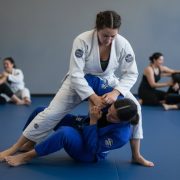
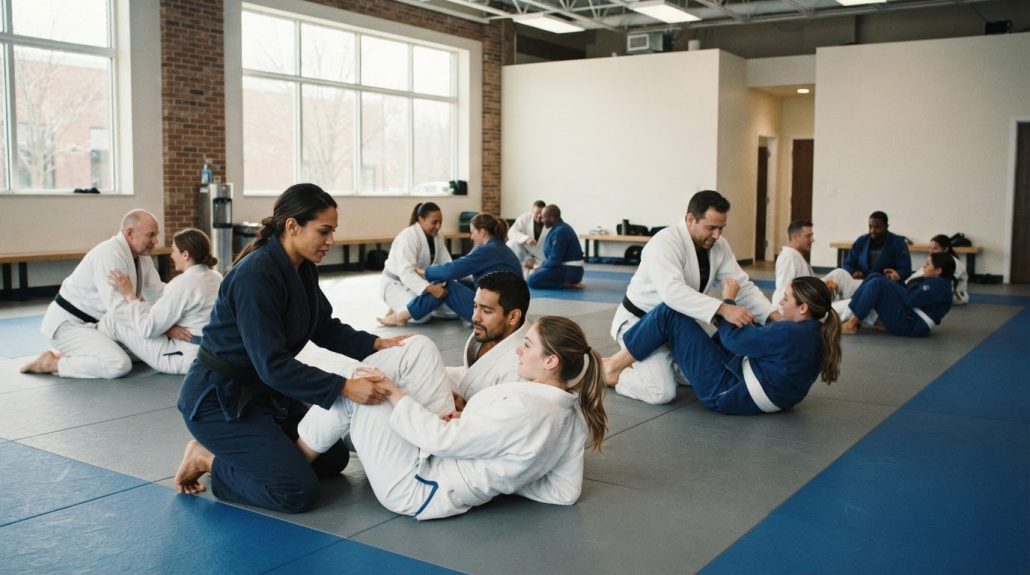
In class, students learn techniques, practise movements, and work with training partners to apply skills in a controlled setting. Instead of simply counting repetitions, you pay attention to positioning, timing, and your partner’s movements. That gives you a mental task to focus on alongside the physical effort. To learn more about the art’s roots and principles, see Brazilian Jiu-Jitsu on Wikipedia.
What makes Jiu-Jitsu different from a standard workout?
Brazilian Jiu-Jitsu is active, skill-based training that uses movement and technique with a partner. A conventional gym session may focus on repeating selected movements or working independently toward a personal target. Jiu-Jitsu also uses repetition, but with a learning purpose: refining a movement, understanding a position, or exploring how a technique works with another person.
Neither format is inherently better. Some people enjoy the freedom of solo exercise; others find that instruction, partner interaction, and developing skills make it easier to stay curious and engaged. A class may also ask you to adjust your movement as the situation changes, rather than follow a fixed sequence. Training can support personal fitness goals, but the experience and results vary by person. It doesn’t guarantee a particular change in strength, conditioning, or body composition.
Who might enjoy adult Jiu-Jitsu for fitness?
Adult Jiu-Jitsu may suit people who want physical activity with a clear learning path: you practise, receive instruction, and gradually build familiarity with techniques. It may also appeal if you prefer exercising around others or find that learning a physical skill makes regular activity feel more purposeful.
Preferences differ. You don’t need to be highly competitive or share the same goals as your training partners. Some adults are drawn to the technical challenge; others value the shared practice and the chance to work toward personal fitness goals. Renzo Gracie NH offers adult Brazilian Jiu-Jitsu instruction tailored to different skill levels, with an emphasis on technical development, fitness, and personal growth in a supportive environment. A complimentary introductory class lets new students experience the practice and decide whether it feels like a good fit.
How Brazilian Jiu-Jitsu Challenges the Body and Mind During Adult Training
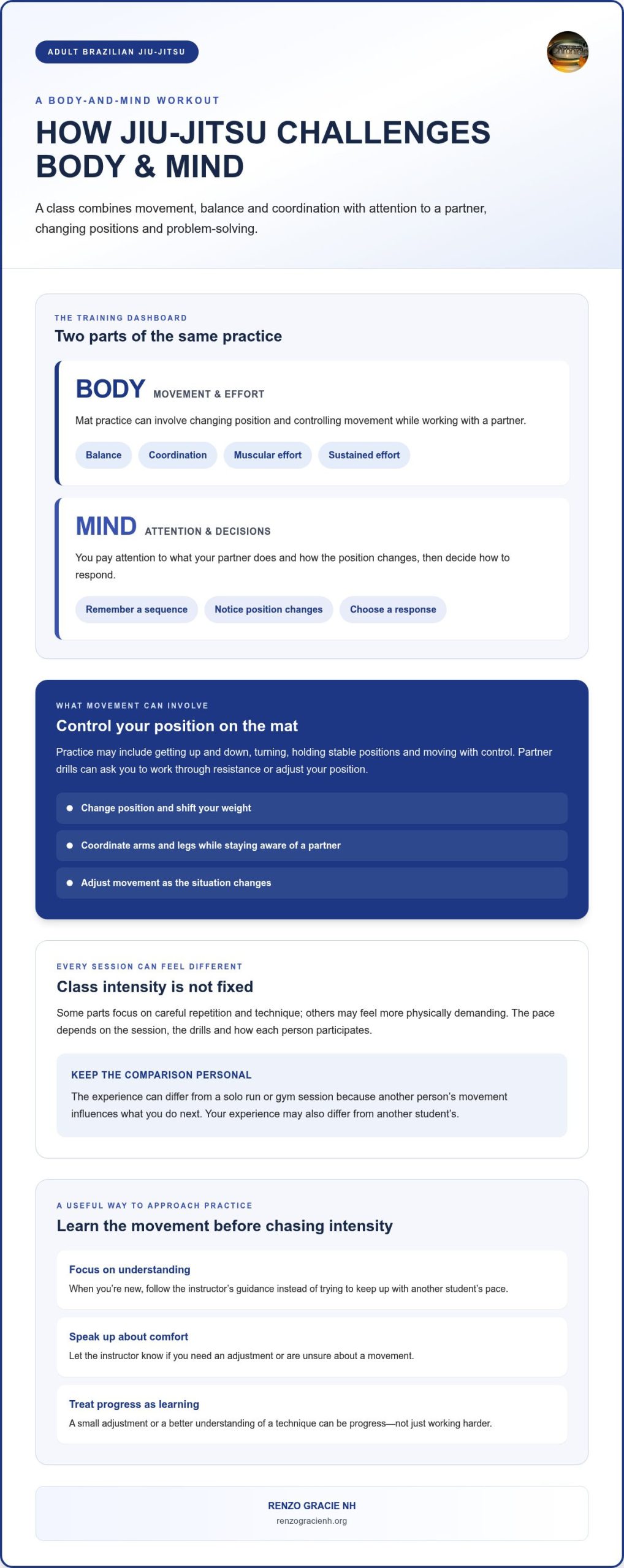
A Jiu-Jitsu class asks you to do more than follow a set of movements. You may shift your weight, change position, maintain your balance, and coordinate your arms and legs while paying attention to a partner. These demands can make practice feel like a full-body effort, though the experience varies from student to student and class to class. The pace depends on the session, the drills, and how each person participates.
Which physical abilities can practice involve?
Movement on the mat may involve getting up and down, turning, holding stable positions, and moving with control. Balance and coordination matter as you practise techniques, while partner drills can call for muscular effort as you work through resistance or adjust your position. Sustained effort can feel different from a solo run or gym session because another person’s movement influences what you do next.
Some parts of class focus on careful repetition and technique; others may feel more physically demanding. Don’t assume every session will have the same intensity, or that your experience will match someone else’s. If you’re new, focus on understanding the movement and following the instructor’s guidance instead of trying to keep up with another student’s pace.
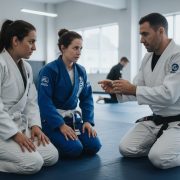
Pay attention to your comfort level throughout practice. Let the instructor know if you need an adjustment or are unsure about a movement, and follow their direction as you learn. Clear communication helps the instructor guide your participation and gives you a practical way to build familiarity with training over time.
How does skill learning shape the workout?
There’s a mental task alongside the physical one. You may need to remember a sequence, notice how a position changes, and choose how to respond to your partner. If a technique doesn’t work as expected, you can listen to instruction, make a small adjustment, and try again. Progress can come from understanding a detail, not simply working harder.
Skill-based training measures progress through learning and applying techniques, not intensity alone. That distinction matters when considering jiu jitsu for fitness adults: effort is part of the experience, but so are attention and problem-solving. The goal in class isn’t to treat every moment as a test of endurance. Steady participation, careful practice, and thoughtful responses all contribute to learning.
If you’d like to experience adult instruction, start with a complimentary introductory Jiu-Jitsu class. Use that first session to listen, learn the movements, and share your comfort level with the instructor. Starting attentively is a strong foundation for deciding whether this training suits you.
Is Jiu-Jitsu a Better Fitness Fit Than Gym Workouts, Running, or Other Activities?
There’s no universal winner in a fitness comparison. The useful question is which activity matches what helps you show up: learning a skill, training with other people, exercising independently, or fitting movement around a busy week. Jiu-Jitsu stands out for partner practice and technical learning, while a gym session or run may suit someone who prefers to set their own pace and exercise without physical contact.
Use this comparison as a starting point, not a ranking. Each activity’s experience depends on the setting, the instruction, and what you enjoy.
| Activity | Typical experience | May appeal if you value |
|---|---|---|
| Brazilian Jiu-Jitsu | Instructor-led skill practice and movement with partners | Learning techniques, interaction, and a shared training environment |
| Solo gym session | Independent exercise using equipment or chosen movements | Control over your routine, pace, and workout focus |
| Running | Self-paced movement, often done alone or with others | A straightforward activity that can be adapted to your preferred route and pace |
When might Jiu-Jitsu suit your fitness preferences?
Jiu-Jitsu may fit adults who enjoy coaching, learning through practice, and sharing an activity with training partners. It gives you structure and a skill to work on beyond completing a set of exercises. Partner-based practice involves close physical interaction, though, so it may be less appealing if you strongly prefer solo exercise or aren’t comfortable with contact. Your preferences matter; a routine should feel engaging, not forced.
How should you compare training options fairly?
Consider practical details alongside the activity itself. Is the location accessible? Can you fit sessions into your week? Do you enjoy the environment enough to return? Think about whether you want instruction, independent control, social interaction, or a mix. Also consider your personal goals without choosing based on promises of a specific result.
It doesn’t have to be an either-or decision. Depending on your interests and schedule, Jiu-Jitsu can sit alongside running or independent gym sessions. Each activity can serve a different purpose in a broader routine, and you can adjust the mix as your circumstances change.
The best fitness routine is one you can sustain and genuinely want to return to. For jiu jitsu for fitness adults, consider whether the learning, partner interaction, and class format suit you as much as the physical effort. Choose based on fit, then give yourself room to build consistency at a manageable pace.
How Adults Can Build a Sustainable Jiu-Jitsu Fitness Routine
A sustainable routine isn’t built by doing as much as possible right away. Start with a realistic plan that fits your goals, responsibilities, and experience, then adjust as you learn what works. With jiu jitsu for fitness adults, the aim is steady participation, not rushing toward a particular physical result or measuring your progress against someone else’s.
Use this simple sequence to get started:
- Identify your reason for training. You might want a more engaging way to move, enjoy learning a practical skill, or value the structure of instructor-led classes. Choose a goal that feels meaningful to you.
- Choose a manageable attendance pattern. Look at your existing commitments and choose a schedule you can realistically repeat. A plan that fits your week is more useful than an ambitious one that quickly becomes difficult to maintain.
- Attend and focus on learning. Give yourself time to follow instruction, practise fundamentals, and become familiar with the class environment.
- Reflect after class. Consider how the session felt, what you learned, and whether the schedule worked alongside the rest of your life.
- Adjust thoughtfully. Keep what’s working, and make changes if your energy, responsibilities, or comfort level call for them.
How can beginners set realistic expectations?
Familiarity, comfort, and technique develop through repeated practice, but the pace is personal. One session might bring a new movement into focus; another may simply help you feel more at ease following class. Notice your effort, enjoyment, and learning rather than judging progress by comparison. There’s no fixed timeline for fitness or skill changes, and steady attendance matters more than chasing rapid results.
If you’d like more context before stepping on the mat, this adult beginner Jiu-Jitsu guide covers useful starting fundamentals.
How can adults make training fit everyday life?
Build around your real week. Decide which class times you can regularly reach before settling on an attendance pattern, and leave room for work, family, and rest. Tell your instructor about your experience and comfort level so they can guide your participation. Rest days and schedule adjustments aren’t setbacks; they’re sensible parts of making practice sustainable.
Pay attention to how you feel. Don’t push through discomfort to prove commitment, and ease back when you need to. If you have health concerns or are unsure whether vigorous activity is appropriate for you, seek guidance from a qualified medical professional before starting.
Ready to take a manageable first step? Book your complimentary introductory Jiu-Jitsu class and experience adult instruction in a supportive setting.
Explore Adult Jiu-Jitsu for Fitness at Renzo Gracie NH
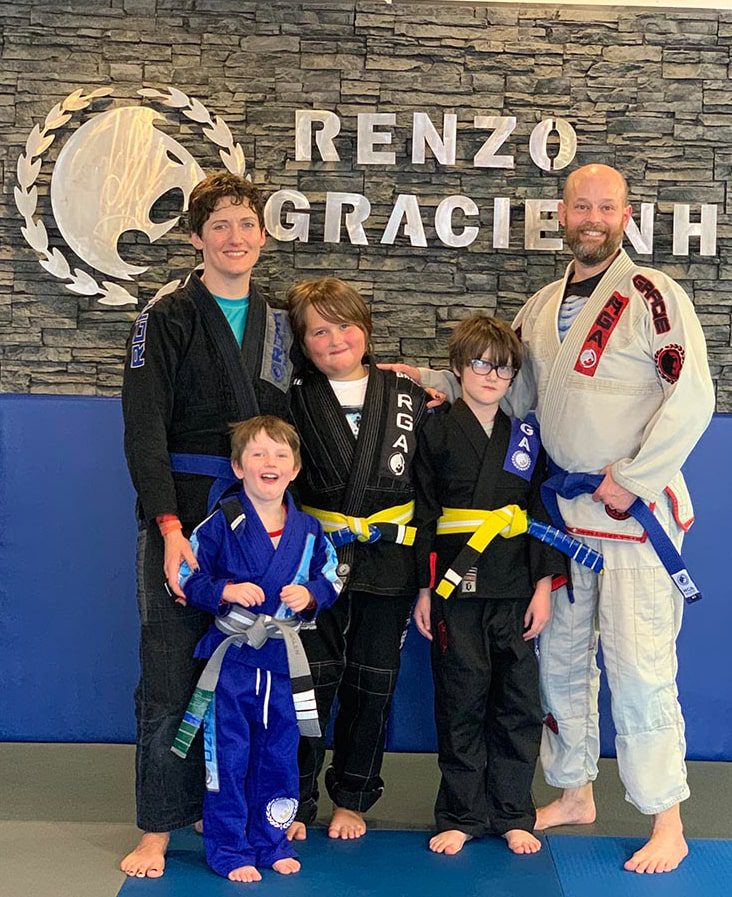
Exploring jiu jitsu for fitness adults can feel like a big step, especially if you’re new to martial arts. Renzo Gracie NH offers adult Brazilian Jiu-Jitsu instruction for different skill levels, emphasizing technical proficiency, fitness, and personal development. The focus is on learning and making progress in a supportive environment, not on arriving with experience or a competition goal.
Instruction is led by Professor Kevin Landry, a sixth-degree black belt under Renzo Gracie who has taught in the region for more than two decades. Students receive guidance from an experienced instructor, and adults can begin at a level that suits their experience. Each student can focus on developing their own technique and confidence over time.
What can adults look for in a welcoming training environment?
A positive learning environment pairs knowledgeable instruction with clear guidance and respect for students’ different backgrounds. New practitioners may need time to learn basic positions and movements; more experienced students may be ready to refine details. Thoughtful instruction can help make practice purposeful and approachable at either stage.
Community matters, too. Training with others creates opportunities to learn through shared practice, while personal development comes from staying attentive, persevering through challenges, and recognising small steps forward. Fitness is part of the academy’s emphasis, but adults can have different goals and follow different paths. A supportive setting makes room for individual growth.
What is a low-pressure next step for local adults?
A complimentary introductory class gives new students a chance to experience instruction before deciding whether adult Jiu-Jitsu feels right for them. Arrive ready to listen and learn. Share your experience level, comfort, and fitness interests with the instructor so the conversation starts with what matters to you.
Curiosity is enough for a first visit. You don’t need to prove you’re fit or know techniques in advance; the introductory class is an opportunity to get a feel for the practice and decide whether it suits your interests. For more about taking that first step, explore trying Jiu-Jitsu free in New Hampshire.
Adults in Windham, Manchester, and Exeter can take that first step at Renzo Gracie NH. Book your complimentary introductory class and experience adult Jiu-Jitsu instruction in person.
Make Your Next Fitness Step a Learning Experience
A lasting routine doesn’t have to begin with a dramatic commitment. Start with curiosity: consider what kind of movement keeps you engaged, what you hope to learn, and whether training with others feels motivating. If jiu jitsu for fitness adults sounds like a fit, let your first class be an opportunity to experience it, not a test you need to pass.
You can arrive as you are, listen to the instructor, and take time to decide how the practice feels. You don’t need to have every goal mapped out beforehand. Sometimes a new direction becomes clearer only after you try it.
Book your complimentary introductory Jiu-Jitsu class at Renzo Gracie NH and take a welcoming first step toward a more engaging fitness routine. Keep your pace realistic, stay open to learning, and give yourself room to grow.
Frequently Asked Questions
Do I need to be fit before starting Jiu-Jitsu?
No, you don’t need to reach a certain fitness level before beginning. Tell the instructor you’re new, and focus on understanding directions and movements rather than matching a more experienced student’s pace. You can pause to listen or watch a demonstration if you need to reset. With jiu jitsu for fitness adults, your starting point is individual, so pay attention to your comfort and follow the instructor’s guidance.
Can adults lose weight by training Brazilian Jiu-Jitsu?
Brazilian Jiu-Jitsu may be one part of a routine that supports weight management, but training alone can’t guarantee weight loss. Changes depend on individual factors and broader habits, including eating patterns and other activity. Rather than expecting a specific result by a set date, focus on consistent participation and what you’re learning. If weight change is a health goal, a qualified health professional can help you consider an appropriate approach.
How many times a week should an adult train Jiu-Jitsu for fitness?
There isn’t one ideal number for every adult. A practical starting point might be one or two sessions a week, if that fits your schedule and leaves time to recover. Notice how you feel between classes, then adjust your attendance as you gain experience. Adults in Windham, Manchester, and Exeter can use an introductory class to get a feel for the practice before planning a regular routine.
Is Brazilian Jiu-Jitsu too intense for older adults?
Not necessarily; age alone doesn’t determine how training will feel. Start with fundamentals, move at a pace that feels manageable, and give yourself time to recover between sessions. Let the instructor know about your experience and comfort level so you can follow their guidance. If you have health concerns or aren’t sure whether vigorous activity is appropriate, consult a qualified medical professional before starting.
Does adult Jiu-Jitsu training involve sparring?
Brazilian Jiu-Jitsu practice can include partner drills and live sparring, but class formats and intensity can vary. Don’t assume every session will involve the same amount of sparring, especially if you’re new. Follow the instructor’s directions, understand how to signal that you need to stop, and communicate your experience level. Focus on learning the class structure and techniques rather than treating training as a competition.
Can I combine Jiu-Jitsu with other workouts?
Yes, you can combine Jiu-Jitsu with other activities if the overall routine fits your schedule and recovery needs. For example, you might attend class on some days and do a lighter solo workout on another, rather than stacking demanding sessions back-to-back. Pay attention to how you feel during training and in daily life, and adjust if you need more recovery. Seek medical guidance before vigorous activity if you have health concerns.