
How to Teach My Son to Be Gentle but Strong
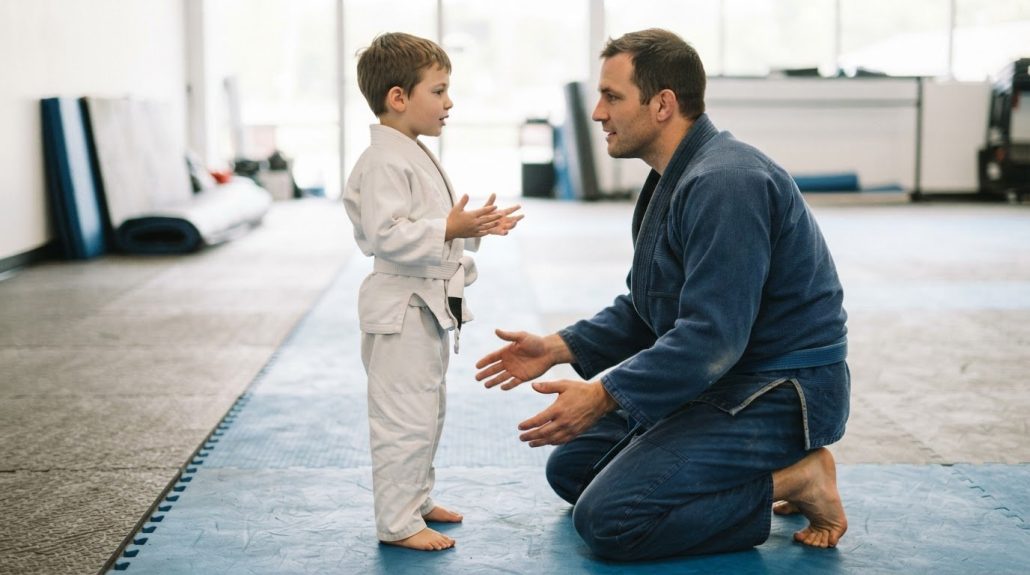
Gentleness isn’t the opposite of strength. Learning how to teach my son to be gentle but strong starts with showing him that real strength includes kindness, self-control, and the courage to express what he feels.
You may want your son to stand up for himself without treating others harshly, and to face difficult moments without hiding his emotions. That balance develops through everyday examples and steady connection, not pressure to act tough.
Here, you’ll find practical ways to model gentleness, make room for emotional expression, and help your son understand what he’s feeling. You’ll also see how focused time together can strengthen your bond and give him a safe place to learn, make mistakes, and grow. Small moments matter: a calm response, a thoughtful conversation, or your undivided attention can help him see that kindness and confidence belong together.
Key Takeaways
- Show that gentleness is strength in action by modeling calm responses, respect, and self-control.
- Make room for your son to express difficult feelings instead of teaching him to hide them.
- Help him name what he feels and listen without rushing to correct or dismiss him.
- Protect regular one-on-one time so connection gives him space to talk, learn, and grow.
1. How Can I Develop a Gentle Spirit?
Teach your son that gentleness is strength under control, not weakness or surrender. A gentle boy can set boundaries, speak honestly, and choose not to hurt someone in anger. This distinction can remind him that kindness belongs to him, even when he feels powerful or faces a difficult moment. Jesus offers an example: Matthew 11:29 describes him as gentle and humble in heart.
His gentleness shaped how he used strength. Matthew 5:5 blesses the gentle, and Proverbs 15:1 teaches that a gentle answer turns away wrath. Read one verse together, then connect it to a disagreement at home. Ask what a calm, firm response could sound like. For example, he might say, “I disagree, but I want to hear what you mean.”
Parenting makes this lesson visible. When frustration rises, pause, lower your voice, and describe the problem without insults. Then explain your choice: “I was upset, so I took a breath before answering.” Invite your son to name one moment when he showed courage and kindness that day. At dinner, talk about what he did well and one response he might try next time.
To set boundaries without aggression, teach a brief script: “Stop. I don’t like that. I’m moving away.” Practise it calmly through role-play, such as when a sibling takes a toy. Explain that standing up for himself can mean using a clear voice, leaving an unwanted interaction, or seeking adult help. Listening before disagreeing also helps him stay firm and respectful.
Can martial arts or team sports help build confidence and self-control? They can offer structured practice in skills, cooperation, and managing reactions. Teamwork gives boys chances to communicate, take responsibility, and respect different opinions, according to the U.S. Department of Labor. After practice, ask what felt difficult and what he wants to improve next time. Notice effort, not only winning.
2. Avoiding messages that discourage emotional expression
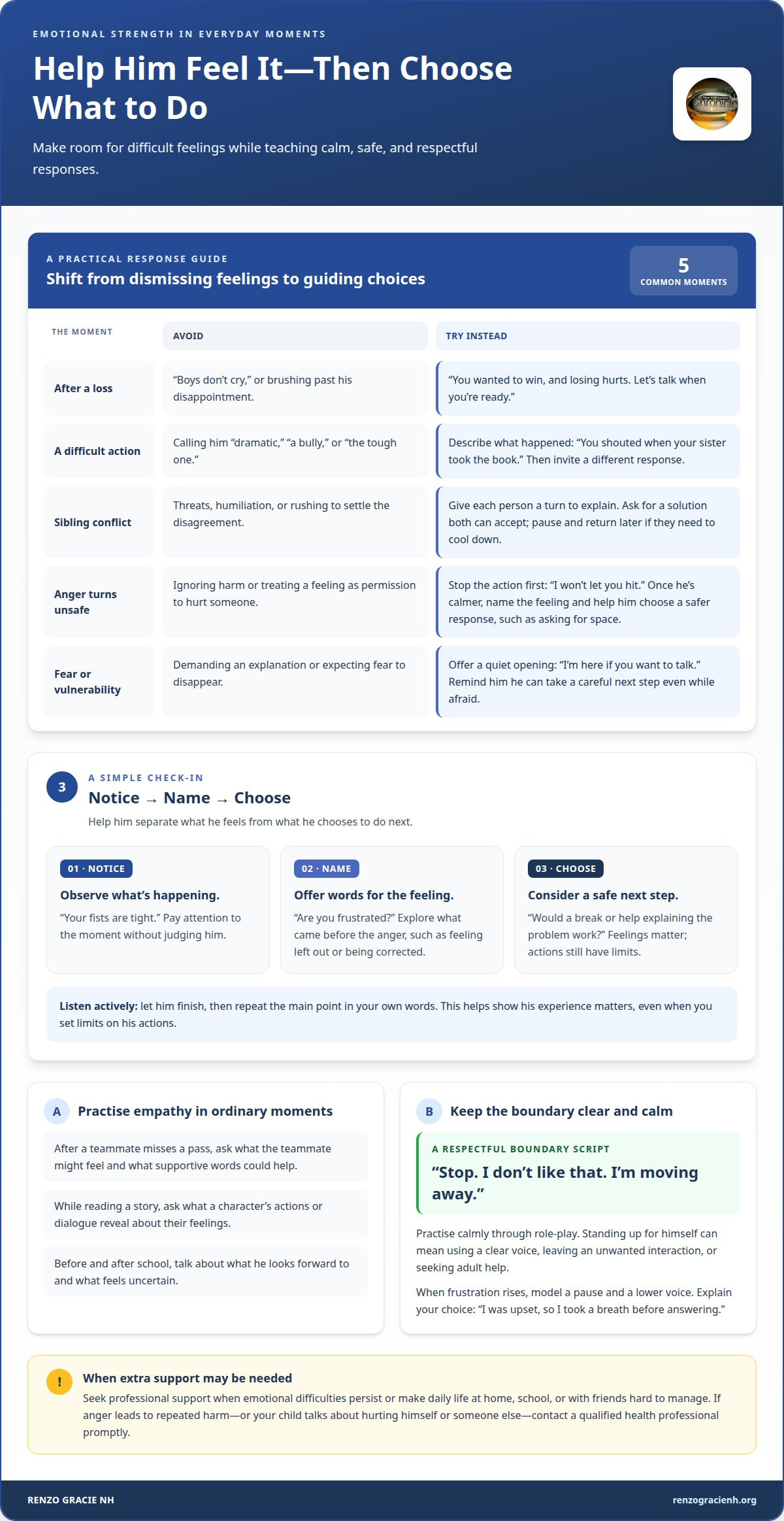
“Boys don’t cry” can teach a son to hide distress instead of understanding it. If he cries after losing a game, acknowledge his disappointment before discussing what happened. You might say, “You wanted to win, and losing hurts. Let’s talk when you’re ready.” This encourages him to share feelings without excusing harmful actions such as hitting or name-calling. When boys can express emotions, they can practise choosing what to do with them.
Labels can also make children feel misunderstood. Calling him “dramatic,” “a bully,” or “the tough one” turns a moment into a definition of his character. Describe the specific action instead: “You shouted when your sister took the book.” Then invite him to try a different response, such as calmly asking for it back. A daughter or son may react differently to the same difficult situation, so listen before deciding what the behavior means.
Promoting peace doesn’t mean avoiding every disagreement. It means helping children handle conflict without threats or humiliation. During a sibling dispute, give each person a turn to explain, then ask them to suggest a solution they can both accept. If they need time to cool down, pause the discussion and return to it later. This gives them practice protecting relationships while speaking honestly about what feels unfair.
You can also explain that strength includes managing feelings and reactions, not controlling other people. If your son feels afraid before trying something new, remind him that he can take a careful next step even while feeling afraid. The example of Christ can support family conversations about courage, compassion, and restraint. Focus on what he can choose: his words, his actions, and whether he asks for help.
Seek professional support when emotional difficulties persist or make daily life at home, school, or with friends hard to manage. If anger leads to repeated harm or your child talks about hurting himself or someone else, contact a qualified health professional promptly. For continued practice with discipline and respectful interaction, explore a structured setting for personal growth.
3. Understanding feelings and emotions
Give your son words for what’s happening inside him. After a difficult school day, ask whether he felt embarrassed, disappointed, worried, or left out. If he says, “I’m mad,” gently explore what came before the anger: perhaps a friend changed the game rules or a teacher corrected him. Naming the feeling helps him separate what he feels from what he chooses to do next.
Try a brief check-in with three steps: notice, name, and choose. “Your fists are tight. Are you frustrated? Would a break or help explaining the problem work?” Centers for Disease Control and Prevention guidance identifies active listening as a way to help children recognize and express feelings. Listen without interrupting, then repeat the main point in your own words. This shows him that his experience matters, even when you set limits on his actions.
How can you teach emotional strength and empathy? Model naming your own feelings, then invite him to consider another person’s perspective. For example, after a teammate misses a pass, ask what the teammate might be feeling and what supportive words could help. When reading a story, ask what the character’s actions or dialogue reveal about their feelings. These small conversations build confidence in talking about emotions and noticing other people’s needs.
If your son acts aggressively, stop the unsafe action first: “I won’t let you hit.” Once he’s calmer, name the feeling you noticed and help him choose a safer response, such as asking for space. If he finds it hard to show vulnerability, don’t demand an explanation. Offer a quiet opening instead: “I’m here if you want to talk.”
Keep practising during ordinary moments, not just after a challenge. Before school, you might ask what he’s looking forward to and what feels uncertain. After school, return to those questions and notice what changed. Over time, he can learn that emotions carry information, while thoughtful choices guide what happens next.
4. Using quality one-on-one time to build connection
Set aside 10 minutes for a son who resists longer conversations. Let him choose the activity, such as drawing, building with blocks, or walking together. Put away distractions and follow his lead. A quiet moment beside you may feel easier than answering direct questions, especially if he’s still deciding what to share. Regular attention shows that your relationship matters beyond schoolwork, chores, or behavior corrections.
Use practical tasks to develop responsibility and perseverance. If he leaves toys across the room, invite him to put them away before starting another activity. If he isn’t used to chores, begin with a small number of simple jobs. Match each task to his age and abilities, then agree on a routine. Young children can manage small daily chores; older children can take on weekly or monthly jobs. If a task is missed, discuss a fair consequence connected to that responsibility.
What activities can build kindness and resilience? Choose manageable jobs, shared projects, and group activities that suit his age and interests. He could help prepare a meal, care for a pet, or work with friends to finish a team task. For hands-on practice with calm leadership, programs such as horsemanship lessons Texas demonstrate how working with large animals teaches boys to pair quiet confidence with gentle control. These experiences give him chances to contribute, cooperate, and keep trying when an attempt doesn’t work. Notice effort and follow-through, not just a perfect result.
When a project becomes challenging, resist taking over. Ask what he has tried, then help him choose a next step. If a tower falls, for example, encourage him to rebuild its base before adding more blocks. Your calm support makes persistence visible while leaving him responsible for the work. A strong interest, such as drawing or gardening, can also create natural opportunities to practise patience and humility.
Build connection through steady presence and shared effort. Explore a structured opportunity to practise focus and perseverance as part of his growth.
Renzo Gracie NH
Renzo Gracie NH offers a structured setting where boys can practise focus, respect, and perseverance alongside physical skills. The Kids Jiu Jitsu Program can complement these conversations and family routines, giving your son opportunities to learn with others and work steadily through challenges. Jiu Jitsu instruction doesn’t replace emotional support at home, but it can offer another setting for guided practice.
If you’re considering whether this environment suits your son, a Free Introductory Class is a natural first step. Your family can experience the instruction and decide whether the program fits his interests and goals.
Contact Renzo Gracie NH to discuss a next step.
Take the Next Step Toward His Growth
Learning how to teach your son to be gentle but strong is an ongoing practice, shaped by how your family responds to everyday choices. Keep making room for honest conversations, clear boundaries, and chances to try again. Your son doesn’t need to master every skill at once. What matters is that he can keep learning with your steady support.
If you’d like structured instruction to complement that support, Renzo Gracie NH offers programs for children and adults, as well as Law Enforcement Jiu-Jitsu Training. Families in Windham, Manchester, and Exeter can start with a free introductory class and explore what would help them grow. You don’t need to have every goal figured out first. Start with the question that matters most to your family, and build from there.
Contact Renzo Gracie NH today to discuss a next step. Keep encouraging his progress, one thoughtful choice at a time.
Frequently Asked Questions
How Can I Develop a Gentle Spirit?
To understand how to teach my son to be gentle but strong, make kindness visible through small responsibilities. Invite him to notice someone who could use help, such as a classmate left out of a game, then ask what respectful support might look like. Afterward, talk about his choice without judging it. This helps him connect gentleness with initiative, not passivity.
BUT CAN YOUR CHILD BE POWERFUL AND GENTLE?
Yes. A child can use his abilities with care and purpose. For example, as a team captain, he can encourage a struggling teammate and refuse to join in when others mock them. Talk about what made that response strong: he used his influence to support someone rather than embarrass them. This shows that strength can protect another person’s dignity.
What does it mean for a boy to be gentle but strong?
It means he can be considerate without giving up his own needs. A boy might disagree with a friend’s plan, explain why, and suggest another option without insults or threats. Strength includes following through on responsibilities, asking for help when needed, and treating people respectfully even when frustrated. Gentleness shapes how he uses his abilities, not whether he has them.
How can fathers and other role models demonstrate gentle strength?
Show it through everyday decisions, not just speeches. A father can calmly correct a mistake, admit when he misunderstood, and make amends without blaming someone else. Role models can show respect while disagreeing, too, by listening to a family member’s perspective before explaining their own. These visible actions give boys examples to adapt in friendships, school, and family life.
How can I teach my son to handle bullying assertively and safely?
Help him plan for safety before a difficult encounter. He can move toward a supervised area, stay near a trusted friend, and tell a teacher or caregiver what happened, including where and when. Rehearse a clear response such as, “Stop. That’s not okay,” then practise leaving instead of trading insults. If he feels in immediate danger, he should seek adult help promptly.
What parenting approaches support boys’ emotional development without reinforcing gender stereotypes?
Give boys the same permission to feel, care, and explore that you would give any child. Avoid assigning activities by gender; let your son choose music, building projects, team games, or caregiving tasks based on his interests. Praise patience, curiosity, and courage in all children. This keeps expectations focused on each child’s character rather than narrow ideas about masculinity.