Officer Safety Training NH: A Guide to Subject Control and Defensive Tactics
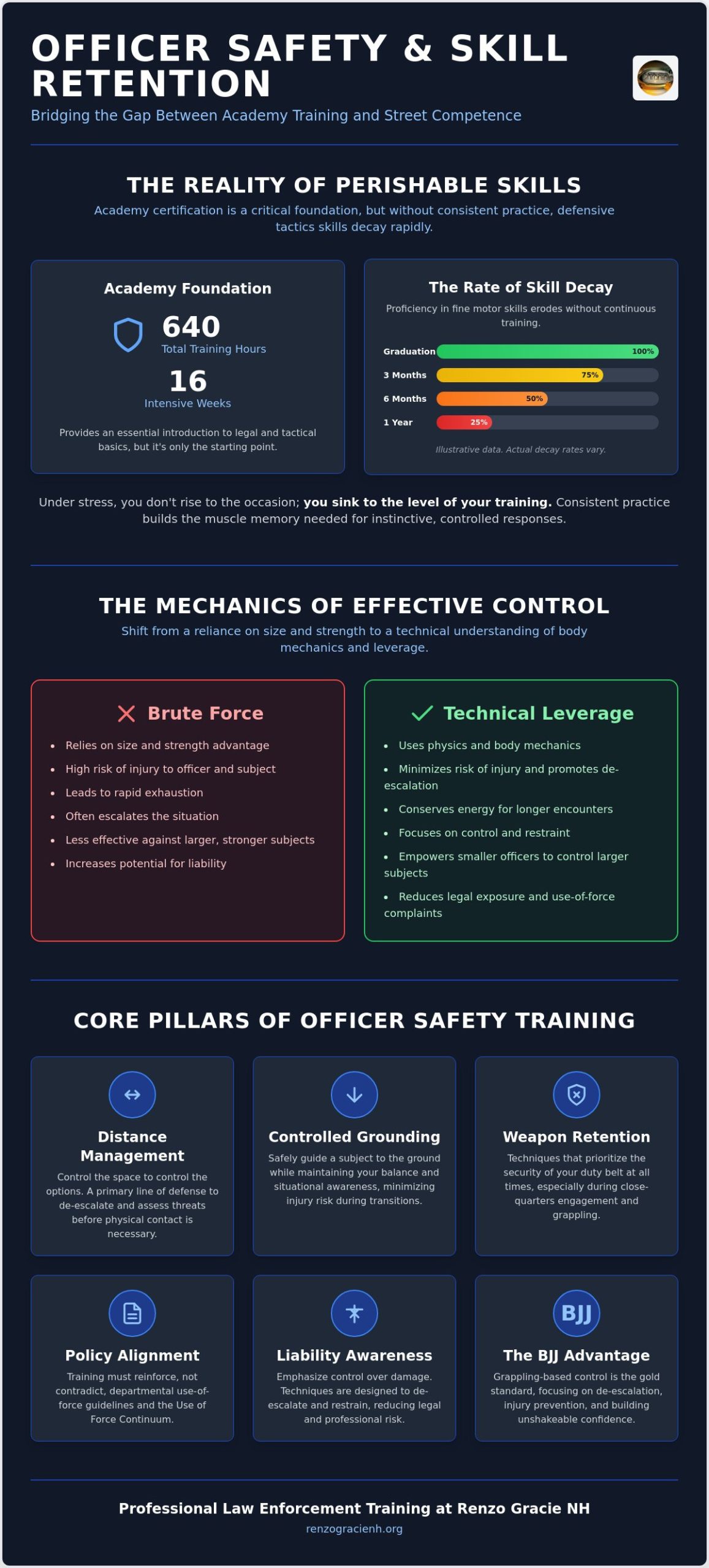
The 16 weeks you spent at the academy gave you a solid foundation, but those 640 hours of training are only the beginning. Physical skills are perishable. If you haven’t refined your techniques since graduation, you might feel a flicker of doubt when facing a subject who is larger or more aggressive. It’s a common concern. You want to stay safe and avoid the heavy burden of liability in use-of-force incidents. For those seeking specialized officer safety training NH provides, the focus is shifting toward technical leverage rather than raw power.
We understand the weight of your responsibility. You deserve to feel confident in every encounter, knowing you have the technical tools to control a situation without relying on size or strength. This guide will show you how to bridge the gap between academy basics and real-world street safety through technical subject control training designed for New Hampshire law enforcement. We’ll explore the benefits of a sustainable training routine in the Manchester and Windham area, look at the Adopt A Cop BJJ initiative, and explain why grappling-based control is becoming the gold standard for professional subject management.
Key Takeaways
- Learn why academy certification is just the beginning and how to protect yourself against the rapid decay of defensive tactics skills.
- Discover the mechanics of leverage and distance management that empower smaller officers to control larger subjects with confidence.
- Find out why BJJ is the premier choice for officer safety training NH due to its focus on de-escalation and injury prevention.
- Identify a sustainable training routine that supports your professional growth while respecting your personal time and well-being.
- See how the Renzo Gracie legacy in Windham provides professional-grade training used by elite law enforcement agencies worldwide.
The Reality of Officer Safety Training in NH: Beyond the Academy
The 16-week academy is a rite of passage. It provides the legal and tactical foundation every New Hampshire officer needs. However, graduation isn’t the finish line for your physical readiness. Effective officer safety training NH must be viewed as a lifelong pursuit rather than a box to check once a year. Physical skills are notoriously perishable. Without consistent mat time, the fine motor skills required for subject control begin to erode within weeks of leaving the academy.
In rural and suburban New Hampshire, backup isn’t always around the corner. You might find yourself on a solo-officer patrol in a quiet town, suddenly facing a resistant subject who outweighs you. In these moments, technical proficiency is your best ally. When you possess deep mechanical knowledge of leverage, you can manage a situation with lower levels of physical intervention. This technical confidence naturally guides you through the Use of Force Continuum, allowing you to maintain control while minimizing the risk of injury to yourself or the subject.
The Gap Between Certification and Street Competence
The New Hampshire Police Standards and Training Council’s academy consists of approximately 640 hours of training. While intensive, this timeframe only allows for an introduction to defensive tactics. On the street, high-stress encounters trigger a physiological response that can degrade complex motor skills. Under the pressure of a real fight, you won’t rise to the occasion; you’ll sink to the level of your training. Developing deep-seated muscle memory through supplemental practice ensures that your response is instinctive and controlled, even when your heart rate is redlining.
Understanding NH PSTC Standards and Supplemental Training
State-mandated in-service hours provide a necessary baseline, but they are rarely enough to maintain high-level proficiency. Private officer safety training NH programs complement PSTC requirements by offering the regular, repetitive practice that academy schedules can’t accommodate. It is vital to choose a training environment that understands the unique legal landscape of New Hampshire. Consider these factors when choosing a supplemental program:
- Weapon Retention: Techniques must prioritize the security of your duty belt at all times.
- Policy Alignment: Training should reinforce, not contradict, your departmental use-of-force guidelines.
- Liability Awareness: Instructors should emphasize control over damage to reduce legal exposure.
By integrating professional jiu-jitsu into your routine, you build a bridge between theoretical knowledge and the split-second reality of the street. This consistent preparation transforms a perishable skill into a permanent asset. To ensure you’re selecting the right program, reviewing a comprehensive checklist of LEO jiu jitsu programs New Hampshire officers rely on can help you make an informed decision.
The Mechanics of Subject Control Training for Law Enforcement
Physical control isn’t a wrestling match. It is a technical puzzle. In high-stakes encounters, the most effective tool in your kit isn’t your gym PR; it is your understanding of body mechanics. Effective officer safety training NH focuses heavily on distance management because it serves as your primary line of defense. If you can control the space between yourself and a subject, you control the options available to them. This proactive approach buys you the time needed to assess threats and communicate, reducing the likelihood of a physical struggle before it even begins.
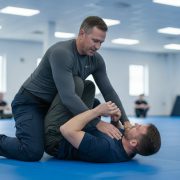
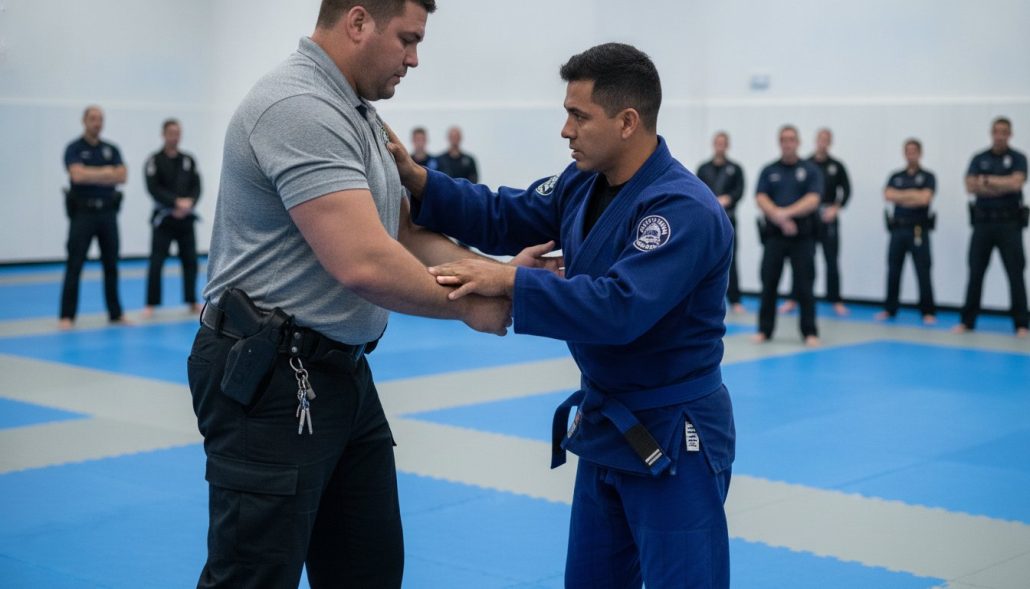
When a situation does go hands-on, the transition from standing to the ground is where the highest risk of injury occurs for both parties. Officers often rely on high-impact throws that create chaos and unpredictability. Technical subject control shifts this dynamic. By focusing on controlled grounding techniques, you maintain your balance and your gear’s security while guiding a subject to a position where they can be safely restrained. You must remain “head-up” during this process. Maintaining situational awareness while physically engaged ensures you don’t lose sight of third-party threats or environmental hazards.
Leverage vs. Brute Force
Technical grappling is built on the physics of human movement. You don’t need to be stronger than a subject to control them if you understand how to isolate a limb or disrupt their center of gravity. Weight distribution is the secret to “heavy” pressure. By placing your weight strategically, you can make yourself feel twice as heavy as you actually are, pinning a resistant subject without needing to exert massive amounts of energy. Leverage is the force multiplier that allows modern law enforcement officers to overcome physical resistance through mechanical advantage rather than sheer strength. Exploring these principles in a Law Enforcement Jiu-Jitsu Training environment helps you build this technical intuition through safe, repetitive practice.
Safe Takedowns and Subject Grounding
The goal of any takedown in a law enforcement context is a safe, controlled transition to a restraint position. Avoid techniques that rely on impact trauma. Instead, focus on “folding” a subject’s base or using clinches that limit their mobility. Once on the ground, your priority is the top position. Staying on top provides better visibility, keeps your tools accessible, and makes it significantly harder for the subject to fight back effectively. From here, you can manage the subject’s limbs to facilitate a smooth handcuffing procedure, ensuring the encounter ends as safely as possible for everyone involved. Understanding how modern arrest and control techniques training NH programs approach this transition can give you a decisive edge when a struggle goes to the ground.
Why Brazilian Jiu-Jitsu is the Gold Standard for Defensive Tactics
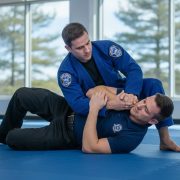
Striking is a gamble. Control is a choice. Traditional defensive tactics often rely on percussive strikes to achieve compliance, but this approach carries significant risks for both the officer and the subject. Brazilian Jiu-Jitsu (BJJ) offers a different path. It is a system built on the premise of neutralizing a threat through mechanical advantage rather than impact trauma. This shift in philosophy is why BJJ has become the cornerstone of modern officer safety training NH programs. It provides a “humanitarian” approach to policing, allowing you to secure a resistant subject without causing the lacerations or fractures often associated with striking-based arts.
The psychological benefits are just as vital as the physical ones. Regular grappling training desensitizes you to the chaos of physical contact. When you are used to having a training partner try to control your movement in a safe environment, you are less likely to experience the “panic response” during a real-world altercation. This calm allows you to maintain your fine motor skills and keep your heart rate under control. You stay in the “green zone” of performance, where you can think clearly, communicate effectively, and make sound legal decisions under pressure.
Control Without Striking
In an era of ubiquitous body cameras, the optics of use-of-force incidents matter. Striking a subject often escalates a situation, both physically and in the eyes of the public. BJJ allows you to achieve a dominant position where you can safely hold a subject while utilizing verbal de-escalation techniques. This level of control is a powerful asset in New Hampshire courts. It demonstrates that you used the minimum amount of force necessary to achieve a lawful objective, significantly reducing your personal and departmental liability.
Training for the Worst-Case Scenario
The street is unpredictable. If a struggle goes to the ground, an officer without grappling experience is in immediate danger. BJJ provides the specific tools needed to survive and win from the bottom position. You learn how to protect your head, create space, and get back to your feet safely. Crucially, these programs prioritize weapon retention. You will develop the muscle memory to secure your duty belt even while fully engaged in a close-quarters struggle. To build these life-saving skills, many officers seek out specialized law enforcement jiu jitsu training to ensure they are prepared for every possible outcome on the job.
How to Build a Sustainable Training Routine in NH
Consistency is the bedrock of survival. While the NH Police Standards and Training Council mandates 24 hours of annual in-service training, this baseline is not designed for mastery. It is designed for compliance. To truly bridge the gap between basic certification and real-world street competence, you need a routine that survives the reality of a law enforcement schedule. A sustainable approach to officer safety training NH relies on the “2-day-a-week rule.” This frequency is enough to build significant technical skill without leading to the burnout or overtraining that can compromise your performance on shift.
Training for the street also requires a focus on longevity. Law enforcement is physically demanding on the joints, especially when carrying 20 to 30 pounds of gear daily. Integrating mobility work and functional strength training into your routine prevents the common injuries that sideline officers. Use “open mat” sessions as your laboratory. These unstructured times allow you to drill specific subject control scenarios, such as moving from a takedown into a safe handcuffing position while maintaining weapon retention. It is this deliberate practice that turns a theory into a reflex. Before committing to a program, officers benefit from evaluating their options against a proven set of criteria for LEO jiu jitsu programs in New Hampshire to ensure the curriculum meets the demands of real-world law enforcement.
Finding the Right Academy in Southern NH
Environment dictates your progress. When searching for a gym in the Manchester or Windham area, look for a professional culture that mirrors the discipline of your department. Lineage and instruction quality are paramount. Training under a 6th-degree black belt like Professor Kevin Landry provides access to a depth of knowledge that is rare in the industry. A clean, well-organized academy ensures you can focus entirely on your development. If you are ready to start, you can explore specialized Law Enforcement Jiu-Jitsu Training designed specifically for the needs of active-duty officers.
Balancing Shift Work and Training
Rotating schedules and 12-hour shifts are the primary hurdles for any NH officer. The key is flexibility. Communicate openly with your instructors about your job-related physical limitations or sleep deprivation. A supportive academy acts as a partner in your career, not just a place to sweat. Prioritize recovery on your off-days. Listening to your body ensures that you remain “duty ready” while still making steady progress on the mats. This balance transforms training from a chore into a vital part of your professional lifestyle.
Professional Law Enforcement Training at Renzo Gracie NH
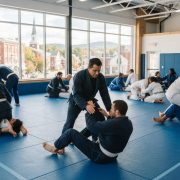
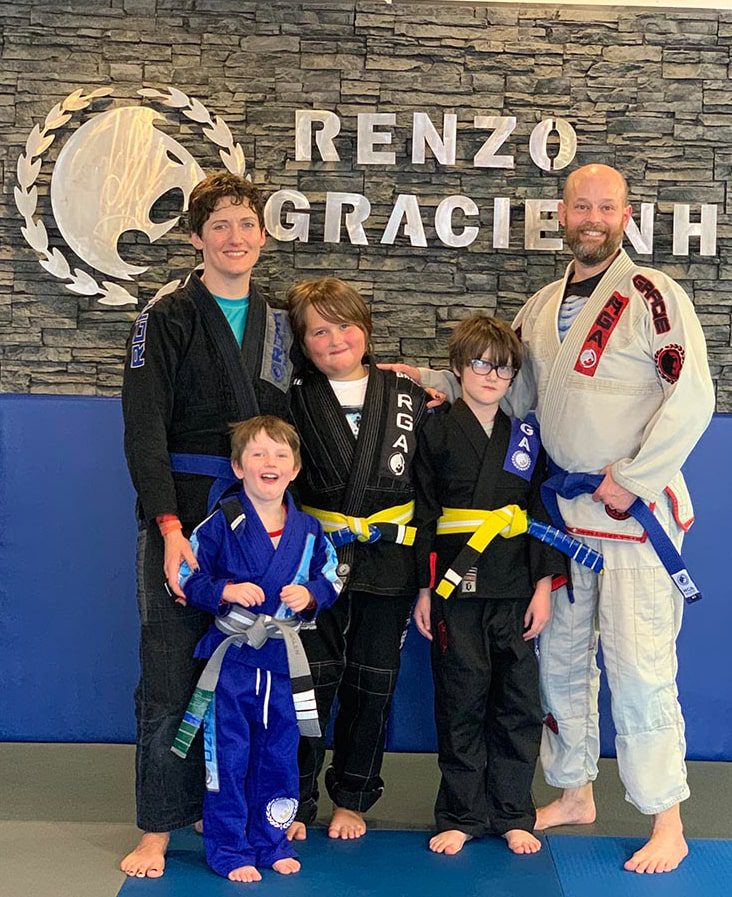
Renzo Gracie NH provides a professional home for those who serve our communities. Our specialized Law Enforcement Jiu-Jitsu Training in Windham isn’t just another gym session. It is a purposeful commitment to excellence. By joining this program, you tap into the prestigious Renzo Gracie legacy. These are the same proven, technical systems utilized by elite federal and local agencies across the globe. We offer a culture defined by quiet authority and disciplined confidence. It is a supportive space where first responders can evolve their skills alongside peers who understand the unique, high-stakes demands of the job.
We are proud affiliates of the Adopt A Cop BJJ program. This initiative allows active-duty officers to train at no cost until they reach the rank of Blue Belt. It is our way of investing in the safety of our local heroes. Whether you are looking for the most effective officer safety training NH has to offer or simply want to feel more capable on patrol, our curriculum is tailored for your success. We focus on the technical leverage and control needed to end encounters safely and professionally.
Expert Instruction by Professor Kevin Landry
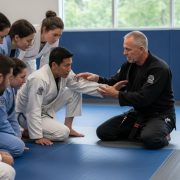
Professor Kevin Landry leads our instruction with over 20 years of experience in the New Hampshire region. Learning from a 6th-degree black belt under Renzo Gracie ensures you are receiving the highest quality technical training available. He understands the nuances of subject control and the legal complexities of use-of-force. If you are just starting your journey, our guide on jiu jitsu for beginners adults NH provides a clear roadmap for what to expect during those first few months on the mats.
Join the NH Law Enforcement Training Community
Training here means joining a dedicated fraternity of professionals. You’ll share the mats with fellow officers from Manchester, Exeter, and Windham. This networking builds a unique bond. It creates a supportive environment for both professional growth and essential stress relief. The academy is a place where you can leave the weight of the shift at the door and focus on personal progress. We offer access to all three of our locations with a single membership, providing the flexibility you need for a rotating schedule. Start your officer safety journey with a free intro class today and discover the difference that elite instruction makes.
Elevate Your Readiness on the Street
True confidence comes from preparation. You have explored how technical leverage and distance management form the backbone of modern officer safety training NH. These skills protect you, the subject, and your department by ensuring that every encounter is managed with the highest level of professionalism and the lowest necessary force. Mastery is a journey. It requires moving beyond the foundation of the academy and embracing a routine that supports your long-term success.
It is time to take the next step in your professional development. Join a community that understands your challenges and values your safety. Claim Your Free Introductory Law Enforcement Session at Renzo Gracie NH today. You will train under the guidance of 6th-degree Black Belt Kevin Landry, who brings over 20 years of teaching excellence to our mats. Our curriculum is built on specialized LEO-only techniques and scenarios designed for real-world application. We are here to help you build the disciplined confidence you need to return home safely after every shift.
Frequently Asked Questions
Is BJJ training approved for NH law enforcement use-of-force standards?
BJJ techniques are highly compatible with New Hampshire use-of-force standards because they focus on control rather than impact. While the NH PSTC provides the mandatory baseline, jiu-jitsu gives you the technical tools to apply RSA 627:5 principles effectively. By prioritizing leverage over striking, you can secure a subject while minimizing the risk of injury to all parties. This technical approach aligns perfectly with the state’s emphasis on de-escalation.
How often should an officer train to maintain subject control proficiency?
Training twice a week is the recommended frequency to maintain officer safety training NH proficiency. This consistency ensures that your muscle memory remains sharp without leading to burnout or overtraining. Physical skills are perishable; regular mat time is the only way to prevent the erosion of your defensive tactics. This manageable routine fits well within the constraints of rotating 12-hour shifts common in southern New Hampshire departments.
Can I start training if I’m not in peak physical condition?
You can begin training at any fitness level. Our instructors focus on progressive development, allowing you to build strength and vitality at a pace that respects your current physical condition. The beauty of jiu-jitsu is that it relies on technical leverage rather than raw athleticism. This makes it an ideal system for officers of all sizes and ages who want to increase their on-the-job confidence and physical resilience.
Does Renzo Gracie NH offer specific classes for police officers?
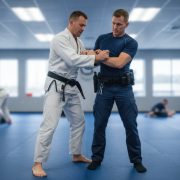
Yes, we provide specialized Law Enforcement Jiu-Jitsu Training tailored to the specific needs of first responders. These sessions move away from sport-focused techniques to prioritize subject control, grounding, and situational awareness. You’ll practice in a professional, supportive environment with fellow officers from the Manchester and Windham areas. This focus ensures that every minute you spend on the mats translates directly to your safety and effectiveness on patrol.
How does BJJ help with weapon retention during a struggle?
BJJ provides specific strategies for maintaining a “head-up” posture and securing your duty belt during close-quarters struggles. You’ll learn how to use your legs and hips to pin a subject, which keeps your hands free to protect your gear. This mechanical advantage is vital when backup is minutes away. By mastering these positions, you ensure that your weapon remains secure even when you are fully engaged in physical control.
What is the difference between academy defensive tactics and BJJ?
The academy provides the initial 640-hour foundation, but jiu-jitsu offers the lifelong mastery required for real-world competence. While academy defensive tactics are often taught in a vacuum, BJJ involves live drilling against resistant partners. This pressure-testing is what builds true muscle memory. It bridges the gap between theoretical certification and the instinctive, controlled response needed when a situation turns physical on the street.
Are there discounts for law enforcement members at Renzo Gracie NH?
Eligible active-duty officers can train at no cost through our affiliation with the Adopt A Cop BJJ program. This scholarship covers your training until you reach the rank of Blue Belt, providing a sustainable path to officer safety training NH expertise. We believe that professional training should be accessible to those who protect our community. It is a long-term investment in the safety and well-being of New Hampshire’s law enforcement family.
Will training in BJJ increase my liability on the street?
Training typically decreases your liability by providing you with more controlled options for subject management. When you lack confidence in your physical skills, you are more likely to overreact or escalate to higher levels of force. Technical proficiency allows you to remain calm and apply the minimum amount of force necessary to achieve a lawful objective. This measured response is your best defense in any use-of-force review.