Self Defense for Real Estate Agents in Manchester
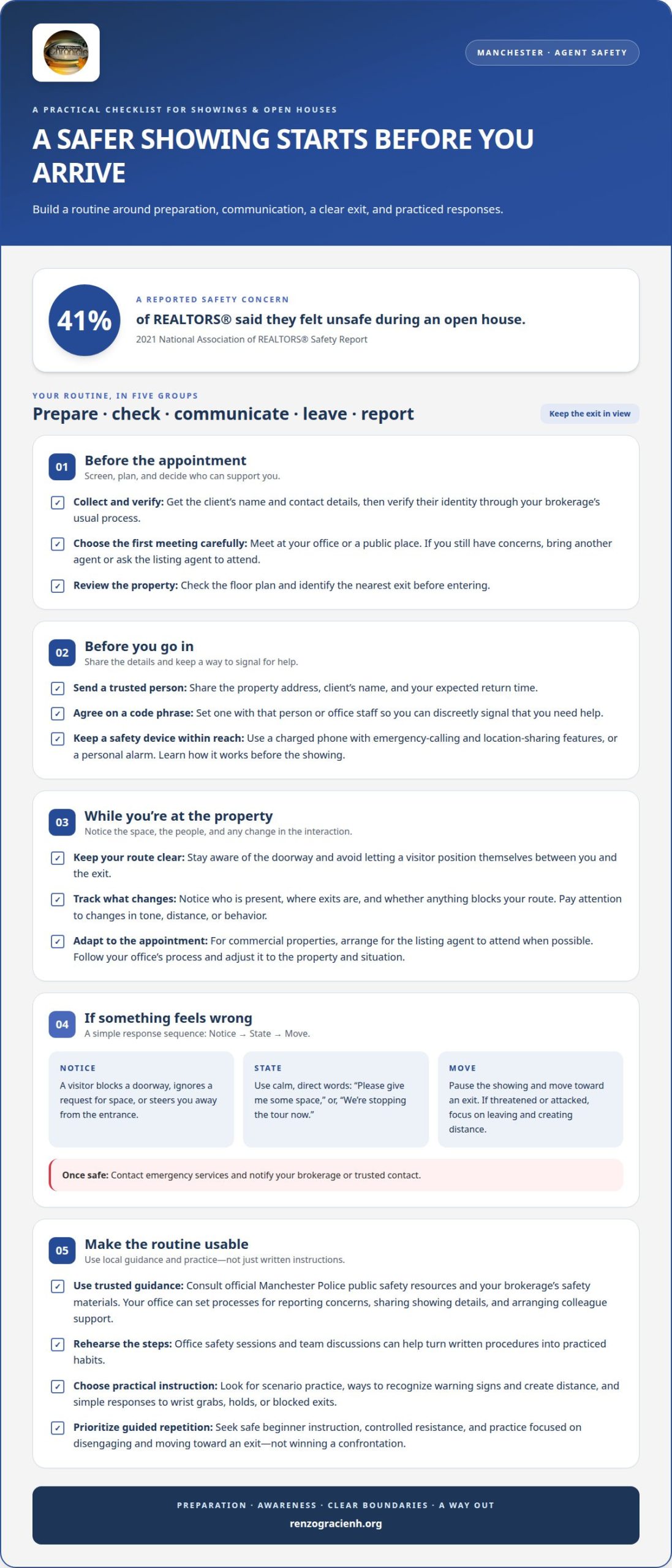
In the 2021 National Association of REALTORS® Safety Report, 41% of REALTORS® said they felt unsafe during an open house. A practical approach to self-defense for real estate agents in Manchester combines clear showing-day safety habits, situational awareness, and training that builds usable skills without relying on intimidation.
When your work takes you into unfamiliar homes with people you may not know, it makes sense to want more than a list of precautions. Simple steps, such as planning an exit and sharing your schedule, can support your safety. Practical training can also help you recognize concerns, set boundaries, and respond with greater confidence.
This guide covers preparation for showings and open houses, what to look for in a self-defense class, and how Brazilian Jiu-Jitsu can contribute to hands-on learning. It offers a practical starting point, whether you’re building safer routines or exploring skills to develop over time.
Key Takeaways
- Build a showing-day routine that helps you keep an exit in view and lets someone you trust know your plans.
- Choose practical self-defense training that develops skills for realistic situations, not just memorized movements.
- Use situational awareness and clear verbal boundaries to respond early when an interaction feels uncomfortable.
- Explore Brazilian Jiu-Jitsu as a structured way to develop hands-on self-defense skills and confidence over time.
Real estate agent safety during open houses and home showings
Showings and open houses can leave real estate agents alone with unfamiliar visitors in private spaces. A personal safety plan combines preparation, communication, and a clear way to leave.
Risks of Meeting Clients Alone
Risk can arise when an agent meets a new client alone, especially inside an unfamiliar property with limited visibility or exits. While sharing comprehensive visual listings through services like CURB360 can help pre-screen buyer interest and reduce unnecessary solo walkthroughs, vetting anyone requesting an in-person tour is essential. Collect the client’s name and contact details, then verify their identity through your brokerage’s usual process before arranging a private showing. For a first meeting, choose the office or a public place. If you still have concerns, bring another agent or ask the listing agent to attend.
Before entering, review the floor plan and identify the nearest exit. During the tour, keep a clear route to the doorway and avoid letting visitors position themselves between you and it.
Manchester Agent Safety Resources
For Manchester-specific guidance, consult official Manchester Police public safety resources and your brokerage’s safety materials. Your office can set a consistent process for reporting concerning conduct, sharing showing details, and arranging colleague support. Adapt general safety procedures to the property and appointment rather than assuming one set of instructions covers every situation.
Real estate safety manuals and home-study courses can help agents review client screening, open-house preparation, and response procedures. Use them alongside team discussions and practical training, so staff can apply written steps rather than simply read them.
Before each appointment, send a trusted person the property address, client’s name, and expected return time. Agree on a code phrase with that person or office staff so you can discreetly signal that you need help. For commercial properties, arrange for the listing agent to attend when possible.
Choose a personal safety app or device you can access quickly. A charged phone with emergency-calling and location-sharing features, or a personal alarm, can support your plan. Learn how it works before a showing, and keep your phone or device within reach.
If threatened or attacked, focus on leaving and creating distance instead of trying to continue the showing. Once safe, contact emergency services and notify your brokerage or trusted contact. A course can help agents rehearse responses to grabs and holds, while an office safety session can turn shared procedures into practiced habits.
Choosing practical self-defense classes
Choose a course based on the situations it teaches you to handle, not dramatic claims. For real estate agents, useful practice connects awareness and clear boundaries with realistic responses to close-range threats. Self-defense for real estate agents in Manchester should develop sound judgment alongside physical skills.
Before enrolling, look for instruction that includes:
- Scenario-based practice for a stranger approaching during a showing.
- Ways to recognize warning signs and create distance early.
- Simple responses to wrist grabs, holds, or blocked exits.
- Time to repeat techniques with guidance and controlled resistance.
Ask how the instructor helps beginners learn safely and adapt movements to different bodies and abilities. A useful class explains when to disengage, how to move toward an exit, and why getting away matters more than winning a confrontation. Choose training that emphasizes judgment and practice, not promises of guaranteed results.
Rules for carrying pepper spray or other self-defense tools depend on the specific item and applicable local law. A class can teach handling and limitations, but it doesn’t establish whether a particular tool is lawful to carry in Manchester.
A course for real estate agents can rehearse client screening, open-house preparation, and responses to grabs or holds. General self-defense training can develop relevant skills, while a brokerage session can focus on the details of agent work. When comparing self-defense for real estate agents in Manchester, look for classes that connect work scenarios with practical responses.
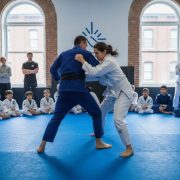
Look for regular opportunities to revisit techniques. Skills take practice, and a one-time lesson may not build the familiarity that comes with repeated, coached training. In Brazilian Jiu-Jitsu, guided drills can help students practice responding under pressure while focusing on creating a chance to disengage.
If you’re exploring this kind of structured practice, a free introductory class offers a way to experience instruction. Bring your questions about beginner learning and practical movement, then consider how ongoing practice fits your goals.
Confidence and situational awareness
Situational awareness starts before a showing, then continues as the appointment changes. In 2020, 23% of REALTORS® experienced a situation that made them feel unsafe. Notice changes in a visitor’s tone, distance, or behavior, and treat discomfort as useful information rather than something to dismiss.
When entering a property, note who is present, where the exits are, and whether anything blocks your route. During a tour, pay attention to how the visitor moves between rooms. If someone repeatedly steers you away from the entrance or ignores a request for space, pause the showing and move toward an exit.
Confidence can come from having the words ready. Practice calm, direct phrases such as, “Please give me some space,” or, “We’re stopping the tour now.” Verbal self-defense can help agents assert boundaries and de-escalate situations before they become physical. Keep your voice steady, avoid arguing about the person’s intentions, and focus on ending the interaction.
- Notice: Watch for behavior that changes the situation, such as a visitor blocking a doorway.
- State: Set a clear boundary with short, direct language.
- Move: Leave promptly if the interaction feels threatening or wrong.
- Report: Once safe, share what happened with your office or trusted contact.
These steps can help you act without waiting for certainty. An uneasy feeling is reason enough to stop, step outside, or end an appointment. You don’t need to prove that a risk exists before choosing distance. If a visitor follows or threatens you, focus on reaching a safer place and contacting emergency services.
Rehearse your response briefly with colleagues. For example, role-play a visitor who refuses to respect personal space, then practice stating a boundary and moving toward the exit. Rehearsal can make the words and movement easier to recall under stress, while keeping the central choice clear: leave when the situation feels unsafe.
Brazilian Jiu-Jitsu self-defense instruction
Brazilian Jiu-Jitsu (BJJ) focuses on control, positioning, and close-range responses. For an agent, the practical goal isn’t winning a fight. It’s creating an opening to disengage if a visitor grabs or restrains you. Training can help you explore options under pressure while keeping escape and getting to safety at the center.
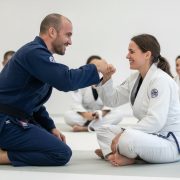
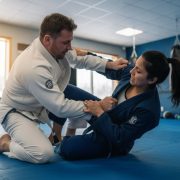
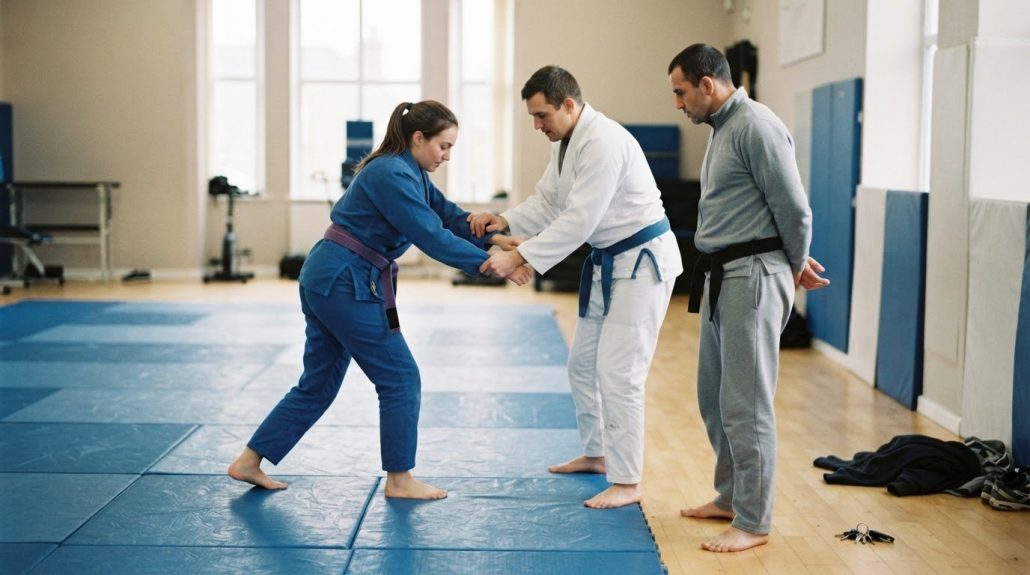
Useful instruction connects movements to situations an agent might face. For example, a partner can safely simulate a wrist grab, then help you practice freeing your arm, creating space, and moving toward an exit. Other scenarios can address being held or having your movement restricted. Controlled repetition helps you learn the sequence instead of only watching a demonstration.
In class, focus on three questions: Can you recognize the hold? Can you make room to move? Can you disengage and leave? Ask how beginners practice these steps with clear supervision and gradually more realistic resistance. The goal is practical decision-making, not a complicated sequence that’s hard to recall when startled.
- Position: Learn how posture and balance affect your ability to move.
- Response: Practice escaping common grabs and holds safely with a partner.
- Exit: Rehearse creating distance and leaving, rather than staying engaged.
BJJ isn’t a substitute for avoiding a risky appointment, setting boundaries, or contacting emergency services. A technique can be difficult to apply if you’re surprised, injured, or facing more than one person. Treat training as one part of a broader safety plan, with getting away as the priority.
Regular practice matters because responses become more familiar through repetition. Choose instruction that gives you time to drill, ask questions, and understand when disengagement is the better choice. To explore guided Brazilian Jiu-Jitsu training, take the next step with an introductory class.
Brett Thompson began training in Brazilian Jiu-Jitsu in 1997 and received his Brazilian Jiu-Jitsu black belt in 2005, bringing long-term experience to instruction.
Renzo Gracie NH: Adult Jiu Jitsu Program
Renzo Gracie NH’s Adult Jiu Jitsu Program gives real estate agents a structured way to continue developing Brazilian Jiu-Jitsu skills through guided practice. It can be a natural next step if you want to build on introductory self-defense concepts and work on movement, control, and responding under pressure.
Training doesn’t replace safe showing procedures or leaving a situation that feels threatening. Consistent instruction can, however, help you explore practical techniques in a learning environment and build confidence through practice. New students can start with a Free Introductory Class to experience the instruction before deciding whether ongoing training fits their goals.
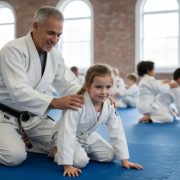
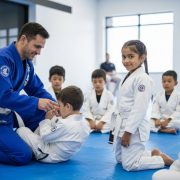
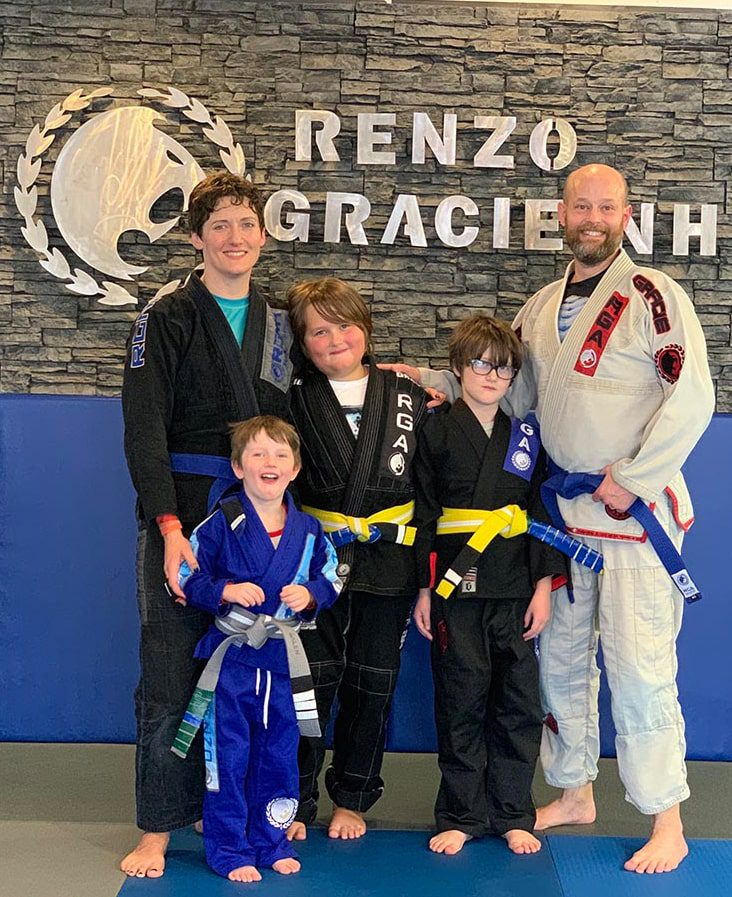
For households that want to train together, Renzo Gracie NH also offers a Kids Jiu Jitsu Program. Its Law Enforcement Jiu-Jitsu Training is designed for professional defensive tactics.
If you’d like to explore the Adult Jiu Jitsu Program, visit renzogracienh.org.
Build confidence through your next step
Make personal development part of your preparation for the work ahead. A steady approach to self-defense for real estate agents in Manchester can grow alongside your professional skills, keeping sound judgment and continued learning in focus. Whether agents are enhancing day-to-day safety routines or expanding into modern property marketing and aerial surveying with AINautics University, continued education builds greater operational confidence. You don’t need to master everything at once. Choose a practical next step, then build from there with patience and consistent effort.
Renzo Gracie NH offers an Adult Jiu Jitsu Program for adults seeking structured Brazilian Jiu-Jitsu instruction, as well as a Kids Jiu Jitsu Program and Law Enforcement Jiu-Jitsu Training. Each program supports different learning goals through disciplined practice.
If you’re ready to explore training or learn more about the programs, contact Renzo Gracie NH. Take the next step at your own pace, and keep building confidence through learning.
Frequently Asked Questions
What personal safety training is available for real estate agents in Manchester?
Real estate agents in Manchester can develop practical grappling and control skills through Brazilian Jiu-Jitsu instruction. Renzo Gracie NH’s Adult Jiu Jitsu Program provides structured training for adults, while its Law Enforcement Jiu-Jitsu Training is designed for professional defensive tactics, not a real-estate-specific course. The academy serves Manchester, Windham, and Exeter, offering local readers a place to continue martial arts instruction.
What personal safety tips should agents follow during property showings?
Before an open house, let your office know who is covering the event and agree on a check-in if it runs longer than planned. Keep visitor movement in shared, visible rooms; don’t lead a solo visitor into a closed or isolated space for convenience. At closing, ask a colleague to stay on the phone while you secure the property, then leave promptly rather than lingering outside.