How to bully proof my kid in Manchester: find support and build skills
A child shouldn’t have to handle bullying alone. If you’re wondering how to bully-proof your child in Manchester, start by helping them recognise repeated, harmful or intimidating behaviour and practise telling a trusted adult what’s happening. A disagreement or one-off teasing isn’t automatically bullying, but your child’s distress deserves to be taken seriously.
It’s understandable to want your child to feel confident and safe without making them responsible for stopping someone else’s behaviour. This guide explains what bullying can look like and how to help your child ask parents, friends, and school staff for support.
You’ll also find practical ways to explore school support and prevention resources, practise calming and problem-solving skills, and encourage confidence and connection. Small steps, repeated with care, can help your child know they don’t have to face a difficult situation by themselves.
Key Takeaways
- Learn to distinguish ongoing, harmful behaviour from ordinary disagreements, and take your child’s concerns seriously.
- Help your child identify trusted adults and friends they can turn to, and find out how their school handles bullying reports.
- Practise calming down, considering options and asking for help so your child has steps to draw on in a difficult moment.
- Support confidence and connection without blaming your child; a structured activity such as Kids Jiu Jitsu can offer another place to build skills.
1. Encouraging children to ask parents, peers, and school adults for help
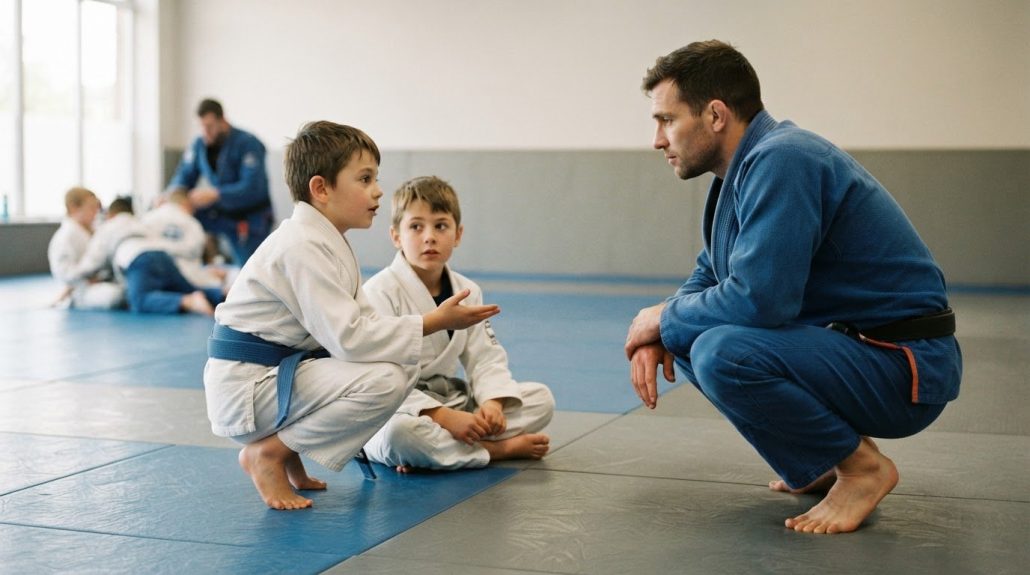
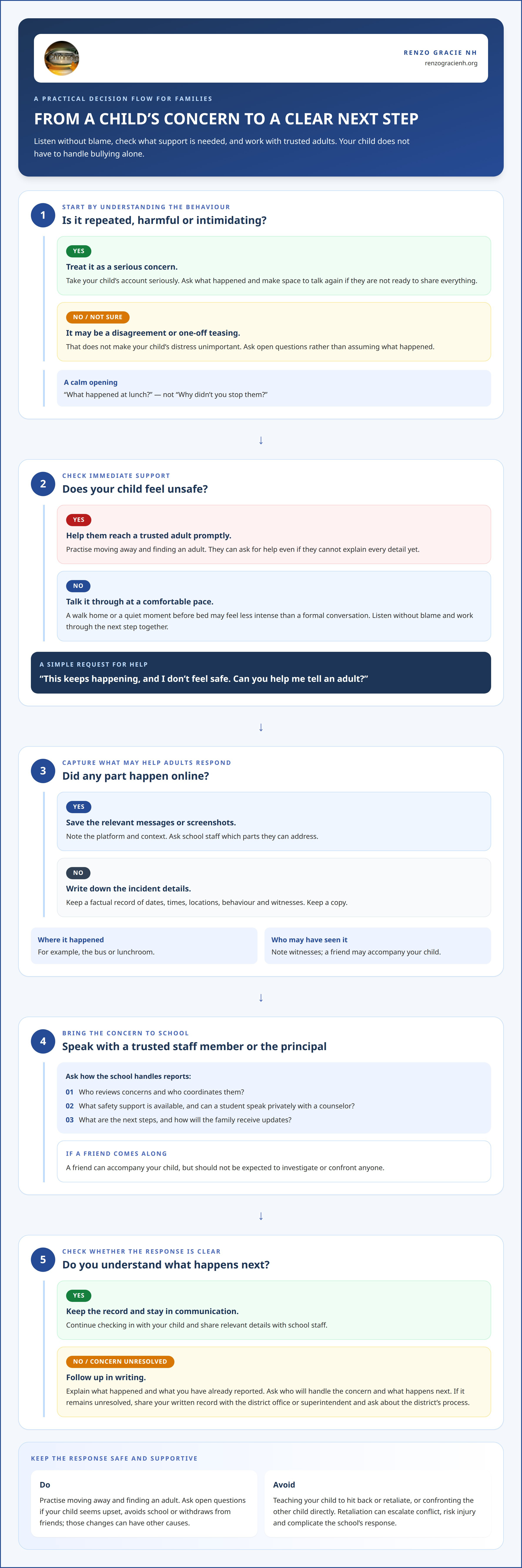
Start with a calm conversation at home. Ask, “What happened at lunch?” rather than “Why didn’t you stop them?” Listen without blame, and explain that you’ll work through the next step together. If your child shares only part of the story, make space to talk again later. A walk home or a quiet moment before bed may feel less intense than a formal interview.
Manchester schools should follow applicable New Hampshire requirements and district policies. Because each school’s response process depends on its policy, ask the principal or a trusted staff member how reports are handled, who reviews them, and what safety support is available. Students and parents can report concerns to school staff and ask for a clear explanation of the next steps.
Give your child a simple script: “This keeps happening, and I don’t feel safe. Can you help me tell an adult?” They can describe where it happened, such as on the bus or in the lunchroom, and mention any witnesses. A friend may accompany them, but shouldn’t be expected to investigate or confront anyone.
Avoiding school, withdrawing from friends, or seeming upset after using a phone may signal distress. These changes can have other causes, so ask open questions rather than assuming bullying. For online incidents, save relevant messages or screenshots and note the platform and context.
Keep a factual record of dates, times, locations, behaviour, witnesses, and messages. Share it with the principal or a trusted staff member, and keep a copy. If the school’s response is unclear, follow up in writing and ask what happens next. Avoid confronting the other child directly.
Teaching a child to hit back or retaliate can escalate conflict, risk injury, and complicate the school’s response. Practise moving away and finding an adult instead. If your child feels unsafe, encourage them to seek help promptly, even if they can’t explain every detail yet.
2. Bullying prevention resources
For families in Manchester, a school counselor, principal, or trusted staff member can explain available prevention resources. Ask who coordinates concerns, what support students can access, and how families can follow up. If your child needs emotional support beyond school, discuss suitable counseling options with their pediatrician. These conversations can help you identify a practical next step without assuming every school follows the same process.
Parents wondering how to bully-proof their child in Manchester can start by learning the school’s policy and reporting process. Ask whether students can speak privately with a counselor, how staff respond to concerns, and how families receive updates. If your child mentions a particular setting, such as the bus or lunchroom, share that detail so staff know where support may be useful.
If the school’s response seems inadequate, keep communication factual and in writing. Send the principal a concise follow-up explaining what happened, what you’ve already reported, and what support you’re requesting. Ask who will handle the concern and what happens next. If the issue remains unresolved, share your written record with the district office or superintendent and ask about the district’s process.
Learning how to bully-proof your kid in Manchester also means identifying supportive adults and routines. Help your child choose a trusted person at school and practise a simple request: “Can I speak with you privately?” For online behaviour, save relevant messages and ask school staff which parts they can address. A pediatrician or counselor may help if worry or school avoidance continues.
At home, make space for connection without turning every conversation into an interview. A walk or shared meal can give your child room to talk at their own pace. Family time can help nurture that connection while you continue working with the school on prevention.
3. Developing problem-solving and self-calming skills
Children can practise pausing before deciding what to do. Stan Davis suggests self-calming, exploring options before acting, and knowing whom to ask for help. Try a simple sequence: notice the feeling, take a slow breath, name the problem, then choose a safe next step. After an unkind classroom comment, for example, a child might breathe, move closer to a trusted adult, and explain what happened. Rehearsal can make these steps easier to recall under pressure.
Breathing exercises offer a practical starting point. Invite your child to breathe in gently, then exhale slowly until they feel steadier. Practise during a quiet moment, not only after something upsetting happens. Then role-play a disrespectful remark and let your child practise a calm voice and short response: “Stop. I don’t like that.” Add an exit plan, such as walking toward a safe adult or supervised space. The goal is to create choices, not demand perfect composure.
If bullied, a child can try to stay calm, tell the other person to stop, and walk away. Match the response to the situation: if speaking feels unsafe, leaving and seeking adult help comes first. Afterward, ask what happened, what they tried, and which next step feels safest. Don’t turn practice into a test of courage. Adults should address repeated behaviour through school support; a child doesn’t have to solve bullying alone.
Use the “ten seconds” idea carefully. A disrespectful remark lasting ten seconds need not define the remaining day, which contains 86,400 seconds every day. This metaphor can help a child redirect attention toward a friend, activity, or trusted adult. It mustn’t minimise repeated targeting or pressure a child to forget it. Ask, “What would help you feel settled now?” Listen, note recurring incidents for school discussions, and practise one chosen coping step again.
These skills give children several possible responses rather than one required reaction. Stan Davis suggests practising self-calming, exploring options before acting, and knowing whom to ask for help when coping with bullying. Breathing exercises are one example of a self-calming strategy.
In a bullying situation, a child can try to stay calm, tell the other person to stop, or walk away. These options can go alongside considering what to do and knowing whom to approach for help.
4. How can parents help a child build confidence, friendships, and assertiveness without blaming them for bullying?
Build confidence without suggesting your child caused the bullying. Michele Borba suggests teaching confident behaviour from age three. At home, practise a steady voice, relaxed posture, and a clear phrase such as, “Stop. I don’t like that.” Praise the effort, not whether the other child changes. The person choosing to harm someone is responsible for the bullying, and adults must address the behaviour.
Make friendship support practical. Help your child identify a buddy for the school bus, bathroom trips, or other places that feel uncomfortable. Two or more friends standing together at their lockers are less likely to be picked on than a child who is alone. Ask your child which classmate feels kind and dependable, then practise inviting them to walk together or sit nearby.
Stan Davis found that bullied children are less bothered by bullies when they join activities they enjoy with people they appreciate. Help your child choose a club, creative activity, or sport based on their interests, not as a way to fix them. A familiar shared activity can create opportunities to connect, contribute, and feel valued beyond a difficult school interaction.
Practise assertiveness as a skill, not a demand to confront someone. Role-play a brief response, stepping away, and finding a trusted adult. Then ask, “Which option feels safest?” If your child freezes or chooses not to speak, don’t criticise them. Reassure them that asking an adult for help is a strong choice, and keep working with the school to address the bullying.
Choose confidence-building practice that values respect, control, and personal progress. Explore supportive training options as one possible way to develop confidence alongside your child’s friendships and school support.
The 7 approaches can be options to return to, rather than a test a child must pass. A buddy system is one practical choice: help your child consider using a buddy on the school bus, in the bathroom, and in other places where bullying may occur. Keep the focus on what feels manageable to the child, and pair peer support with adult attention to the behaviour. Confidence-building practice should support the child, not make them responsible for preventing or stopping the bullying.
Renzo Gracie NH
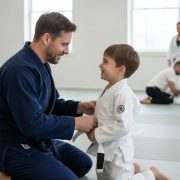
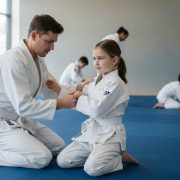
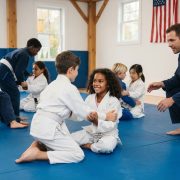
Renzo Gracie NH offers a structured martial arts setting where children can practise discipline, respect, and personal growth. Its Kids Jiu Jitsu Program can complement the support you’re building at home and through your child’s school. It isn’t a substitute for reporting bullying or addressing safety concerns with school staff.
Consider Jiu Jitsu if your child is interested in guided practice and building confidence. Families can try a free introductory class to see whether the environment feels like a good fit. Progress takes practice, and every child’s experience is individual.
If you’d like to explore whether training suits your child, contact Renzo Gracie NH.
Choose one steady next step
Building confidence is a process, not a test your child must pass. Let them help choose a manageable next step, whether that means practising a calm response, reconnecting with a friend, or trying a structured activity. If you’re considering how to bully-proof your child in Manchester, focus on support and skill-building, never on blaming them for someone else’s behaviour.
Renzo Gracie NH offers Kids Jiu Jitsu and Adult Jiu Jitsu programs, as well as Law Enforcement Jiu-Jitsu Training. These programs are distinct from school-based bullying support, but structured martial arts practice may suit families looking to develop discipline and confidence. Your child’s interests and comfort should guide the decision.
Contact Renzo Gracie NH to learn more about its programs and whether one feels right for your family. Keep moving forward together, one thoughtful step at a time.
Frequently Asked Questions
What is bullying?
Bullying is unwanted aggressive behaviour intended to hurt, intimidate, or humiliate someone, involving a real or perceived power imbalance. It happens repeatedly over time or causes severe emotional trauma. For example, repeatedly targeting a classmate with threats may fit this description; a single disagreement or ordinary teasing does not automatically qualify. Bullying can also happen online through phones, social media, or other internet-connected technology.