Martial Arts Classes for Security Guards in Windham, NH
A security guard’s strongest response may be the one that keeps a tense moment from becoming a fight. A practical starting point for martial arts for security guards in Windham is to look for classes serving Windham and North Windham, then consider how the training develops composure, communication, and controlled responses.
It makes sense to look beyond physical techniques: conflict resolution depends on sound judgment as well as skill. This guide explains where to explore martial arts classes in the area and how training can support de-escalation and professional defensive tactics. You’ll also learn what to look for in instruction, so you can find a setting that fits your goals and build confidence step by step.
Key Takeaways
- Explore martial arts training options serving Windham and North Windham, and consider which location fits your routine.
- Learn how structured practice can build calm decision-making and support de-escalation during tense interactions.
- Understand how grappling-based training differs from striking styles when considering professional self-defense goals.
- See what specialized Jiu-Jitsu training can offer security professionals seeking controlled, practical skill development.
Class location in Windham, New Hampshire
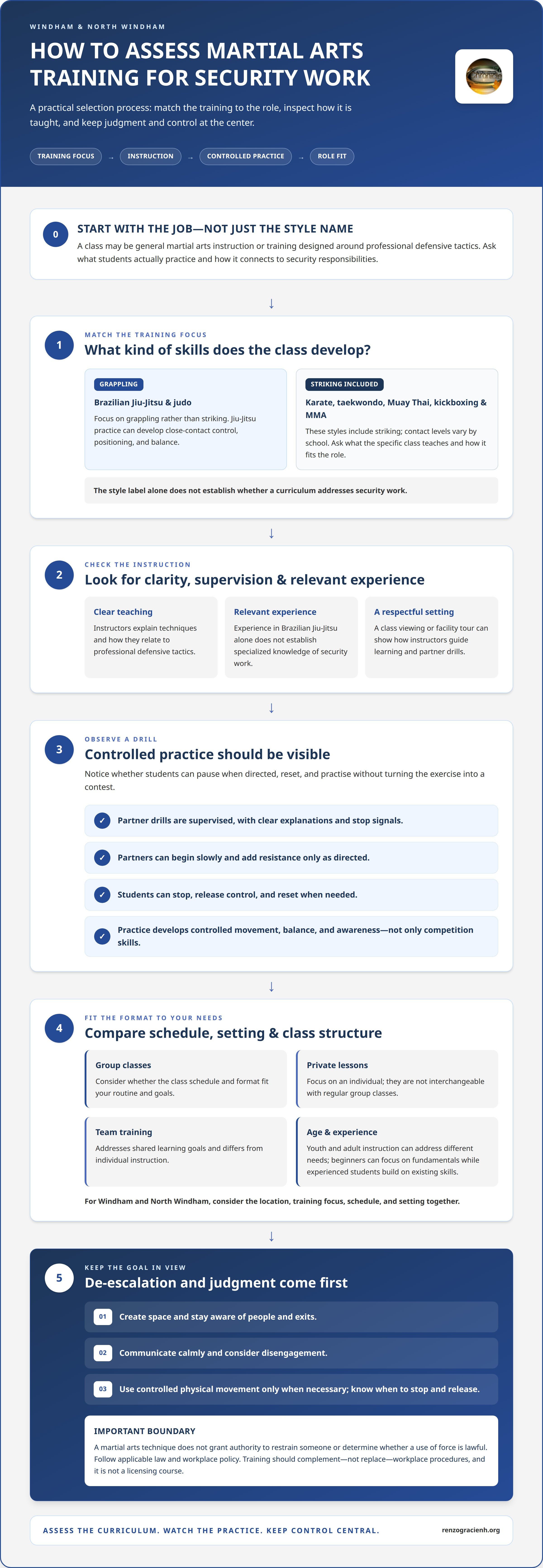
In Windham and North Windham, the right class depends on its training focus, schedule, and setting. For security work, distinguish a general martial arts class from instruction designed around professional defensive tactics. That difference shapes whether practice emphasizes controlled movement, grappling, striking, or a mix of skills.
Brazilian Jiu-Jitsu and judo focus on grappling rather than striking. Karate, taekwondo, Muay Thai, kickboxing, and mixed martial arts include striking, though contact levels vary by school. Consider which approach fits the guard’s role and goals. Grappling, for example, develops close-contact control rather than punches or kicks.
A facility tour or class viewing can reveal how instruction works in practice. Notice whether instructors explain techniques clearly, supervise partner drills, and maintain a respectful training environment. Look for examples of controlled practice, such as students pausing when an instructor gives direction. These details show how the class balances physical learning with discipline and awareness.
Classes also differ by age and experience. Youth and adult instruction can address different learning needs: beginners can focus on fundamentals, while experienced students build on existing skills. Adults working in security can look for training relevant to professional defensive tactics.
Windham-area schools differ in whether they offer private lessons or team training. These formats aren’t interchangeable with regular group classes: private instruction focuses on an individual, while team sessions address shared learning goals. The class schedule and format determine which setting fits a guard or security team.
An instructor’s experience should align with the method taught. Brazilian Jiu-Jitsu experience alone does not establish specialized knowledge of security work. Look for clear explanations, supervised and controlled practice, and instruction relevant to professional defensive tactics.
De-escalation and conflict resolution
For a security guard, responding to a tense interaction starts before physical contact. Training can develop awareness of distance, balance, and changing behavior, alongside the judgment to choose a controlled response. For example, a guard facing an agitated visitor can maintain space, speak calmly, and avoid crowding the person, while staying aware of nearby people and exits.
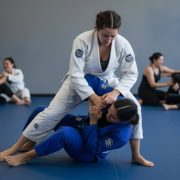
Martial arts for security guards in Windham can provide a setting for calm, controlled practice when instruction emphasizes judgment over winning. In supervised drills, partners can practise maintaining balance, creating space, and responding to resistance without turning the exercise into a contest. Clear direction is essential: students should know when to stop a technique, release control, and reset.
Use-of-force decisions must follow applicable law and workplace policy. Learning a martial arts technique does not grant authority to restrain someone, and training cannot determine whether a particular use of force is lawful. Treat de-escalation, communication, and disengagement as central skills, and do not assume that learning a hold answers legal questions.
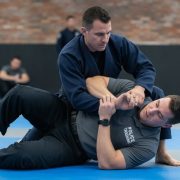
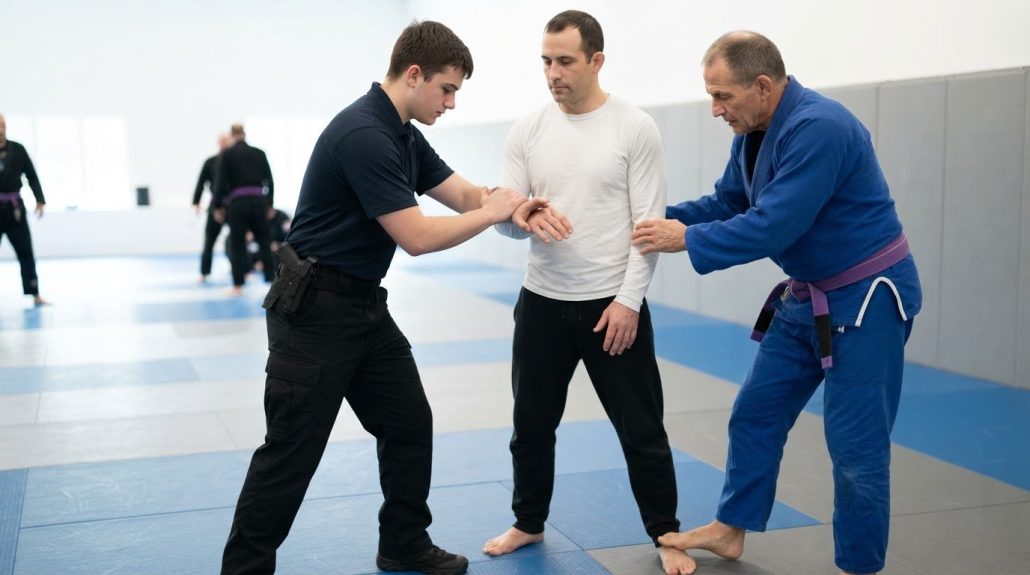
Martial arts for security guards in Windham can include Jiu-Jitsu instruction designed around professional defensive tactics. Renzo Gracie NH offers Law Enforcement Jiu-Jitsu Training, with grappling and control techniques for professional defensive tactics. This training is not a licensing course, and it should complement rather than replace workplace procedures.
A useful class connects each technique to a decision: create distance, communicate, or use controlled physical movement when necessary. Jiu-Jitsu practice can help students understand positioning and balance at close range. It doesn’t replace verbal conflict-resolution training or workplace procedures. For a structured introduction to this approach, explore professional Jiu-Jitsu training focused on defensive tactics.
Finding martial arts schools in North Windham
Security guards in Windham can assess a school by its training focus, class structure, and relevance to their work. Start by matching the curriculum to your role, then consider how instructors explain techniques and guide partner practice.
Choosing a Martial Arts School
A suitable program connects its curriculum to clear learning goals. Consider whether classes focus on grappling, striking, or general fitness, and which approach fits the guard’s responsibilities. Ask how instruction progresses from basic movements to partner drills. The format, instructor guidance, and approach to controlled practice all help show whether the program supports your goals.
Practical Self-Defense for Security Work
In North Windham, a school’s practical self-defense content depends on its curriculum. Don’t assume every martial arts class addresses security work. Look for instruction that explains how techniques relate to professional defensive tactics, including control, balance, and safe release. A grappling-focused class practices different movements from striking styles, so the instructor should describe what students learn and how it applies to their goals.
When choosing martial arts for security guards in Windham, consider whether training develops controlled movement and decision-making, not only competition skills. Ask how instructors teach techniques, supervise partner exercises, and allow students to pause a drill. Clear explanations help you understand how the class is structured.
Close supervision, gradual skill progression, and clear stop signals help keep practice controlled. Partners can begin a drill slowly, add resistance only as directed, and pause if either person asks to stop. Suitable partner matching and time to reset also support focused learning and clear communication.
Which Windham-area martial arts schools teach practical self-defense for security work?
For security work, choose a Windham-area school whose curriculum connects training to professional defensive tactics. The style name alone doesn’t establish that fit. Look for instruction that explains how students practice control, positioning, and restraint within a supervised class.
Brazilian Jiu-Jitsu and judo focus on grappling rather than striking, which may suit guards seeking close-contact control skills. Karate, taekwondo, Muay Thai, kickboxing, and mixed martial arts include striking, with contact levels varying by school. Consider what students practise and how instructors relate those skills to workplace scenarios.
For example, a class might teach students to maintain balance while a partner applies controlled resistance. A security-focused curriculum should also explain when to disengage, how to stop a drill, and how to release control. These details distinguish considered instruction from practice focused only on winning.
During a class viewing, notice whether the instructor demonstrates movements before partner practice. Observe whether students can pause, ask questions, and reset safely. Clear supervision and progression from basic movements to more challenging drills are practical signs of structured teaching. Ask how the curriculum addresses professional defensive tactics rather than assuming every self-defense class covers security duties.
Training should support judgment, not replace workplace procedures or determine whether force is appropriate in a specific situation. A guard’s role and employer policies shape which skills are relevant. Look for clear teaching goals, gradual skill development, and controlled practice. This approach can help guards build confidence without an aggressive classroom culture.
To explore a disciplined approach to defensive skill development, view Jiu-Jitsu training options as one potential next step.
Renzo Gracie NH
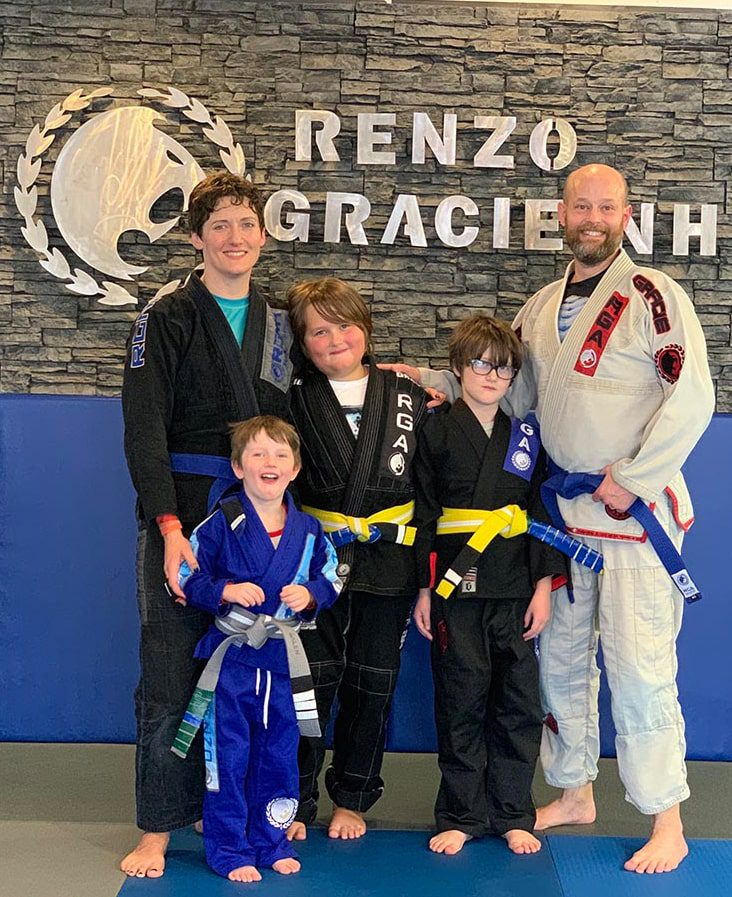
Renzo Gracie NH provides security professionals in Windham, Manchester, and Exeter with Law Enforcement Jiu-Jitsu Training focused on professional defensive tactics. Its grappling and control instruction offers guided practice for developing relevant skills. Training can complement, but does not replace, workplace procedures or sound de-escalation judgment.
Adults can explore the Adult Jiu Jitsu Program, while families can consider the Kids Jiu Jitsu Program. A free introductory class lets new students experience instruction before choosing a program. These options support different goals, from personal learning to professional defensive-tactics practice.
If you’re ready to explore whether this training fits your goals, contact Renzo Gracie NH.
Build your next step into a training goal
Choosing martial arts for security guards in Windham can be the start of ongoing practice, not a one-time response to a difficult shift. Identify the skill you want to develop, such as calm control at close range, and consider how regular instruction could support that goal. Then choose a class that fits your needs and experience.
Renzo Gracie NH offers Law Enforcement Jiu-Jitsu Training for professional defensive tactics, as well as adult and kids’ Jiu-Jitsu programs. These programs offer different ways to develop skill and discipline through Jiu-Jitsu. Choose the option that fits your purpose and supports steady progress.
Contact Renzo Gracie NH to take the next step toward focused training. Progress starts with showing up ready to learn.
Frequently Asked Questions
What martial arts classes are available for security guards in Windham?
Security guards can explore Law Enforcement Jiu-Jitsu Training at Renzo Gracie NH, alongside its Adult Jiu Jitsu Program. The specialized training focuses on grappling and control techniques for professional defensive tactics. With classes in Windham, Manchester, and Exeter, Renzo Gracie NH provides local options for adults seeking structured Jiu-Jitsu instruction.
What certifications or instructor qualifications should security guards look for in self-defense training?
Look for clear instruction, relevant defensive-tactics training, and supervised, controlled practice. Brazilian Jiu-Jitsu experience alone does not establish specialized knowledge of security work.