Mother-Daughter Self-Defense in Manchester: Techniques and Practice
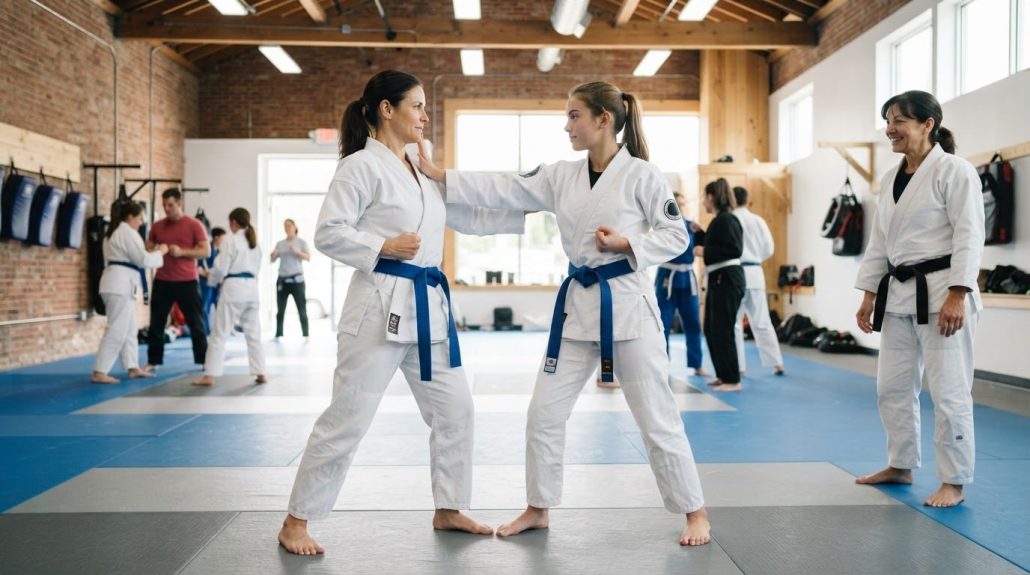
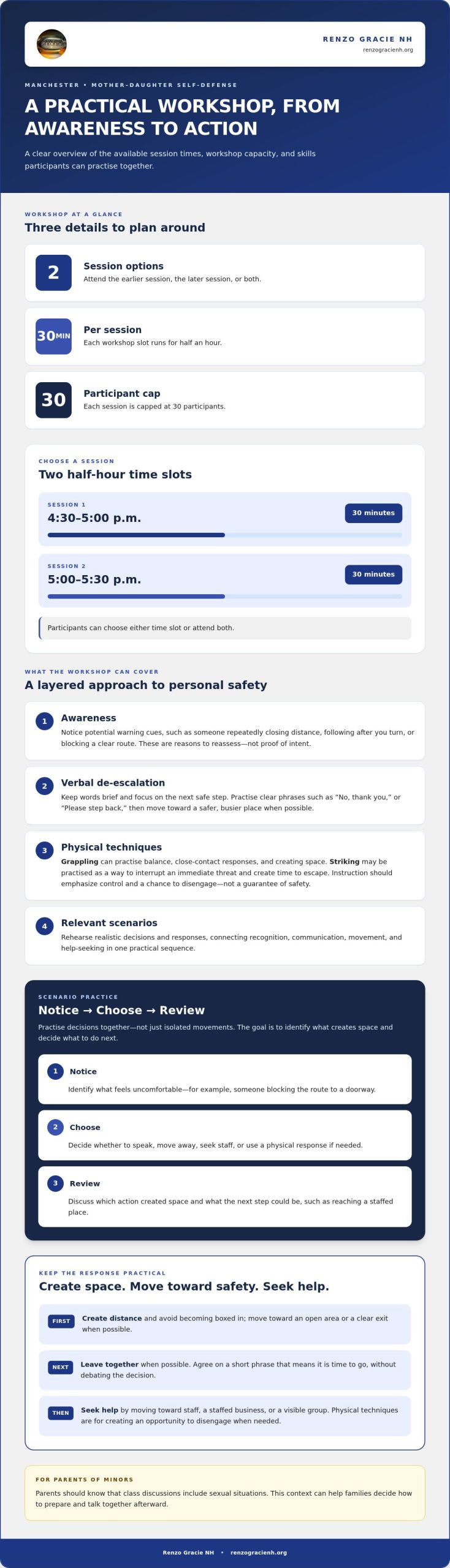
Practical preparation matters more than bravado. For mother-daughter self-defense in Manchester, participants can attend the 4:30 to 5 p.m. session, the 5 to 5:30 p.m. session, or both; each session is capped at 30 participants. Workshop instruction can include awareness, verbal de-escalation, physical techniques and scenarios relevant to participants.
It’s understandable to want more than a list of moves. Learning to notice potential risks, respond calmly, and practise practical actions together can help mothers and daughters build confidence at their own pace. Classes can support women of all ages, including beginners and those refreshing their skills.
This guide explains how threat recognition and de-escalation fit into personal safety, what physical techniques and scenario practice may involve, and what parents should know before a minor attends. It also covers how a supportive martial arts environment can help families develop focus and confidence through shared practice.
Key Takeaways
- Build awareness by noticing potential risks early, then focus on creating distance, de-escalating when possible, and avoiding danger.
- Practise physical responses as practical steps for situations where getting away or calming things down isn’t enough.
- Use scenario exercises to rehearse decisions and responses in situations that feel relevant to you and your daughter.
- Before a minor attends, know that class discussions include sexual situations; shared martial arts training can also offer an ongoing way to practise together.
Physical self-defense techniques
No single martial art is right for every mother and daughter. Look for instruction that combines physical responses with awareness, verbal de-escalation, and a clear opportunity to leave.
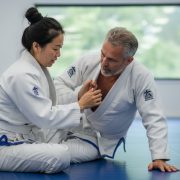
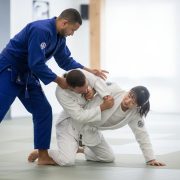
Grappling focuses on close contact, balance, and creating space. For example, a learner can practise maintaining a stable stance, using her arms to create distance, and moving toward an exit instead of staying engaged. In a supervised class, each person should be able to learn at a manageable pace and practise controlled movements with a partner.
Striking may be taught as a way to interrupt an immediate threat and create time to escape. For example, learners can practise a firm palm strike on a training pad, then step away and move toward safety. Instructor guidance matters: practise technique, distance, and control deliberately, without treating it as a contest or a guarantee of safety.
Escape Techniques
Escape practice should focus on breaking contact, creating space, and moving toward a safer place. For example, rehearse turning toward a clear exit after disengaging, rather than trying to control or pursue someone. When comparing instruction, look for repeated, supervised practice that connects a physical movement to a next step, such as leaving or calling for help.
Choosing a Martial Arts or Self-Defense Style
Choose based on what you want to practise together: grappling for close-contact situations, striking to create a chance to disengage, or a workshop that combines physical techniques with awareness and verbal de-escalation. The Manchester workshop covers strategies and tactics, psychological preparation, verbal de-escalation, physical techniques, and scenarios relevant to participants. Consider whether both learners can follow the instruction and practise comfortably at their own pace.
For mother-daughter self-defense in Manchester, the useful measure isn’t how many techniques a class demonstrates. It’s whether each person can remember a simple sequence: create space, move toward an exit, and seek help.
Recognizing and responding to potential threats
Threat recognition starts before physical contact. On a Manchester street or in a car park, notice if someone repeatedly closes the distance, follows after you turn, or blocks a clear route. These are cues to pause and reassess, not proof of intent. Identify exits, staffed places, nearby people, and whether your daughter is beside you. Agree on a simple phrase, such as “Let’s go now,” so you can leave together without a lengthy discussion.
If an interaction feels uncomfortable, keep your words brief and your attention on the next safe step. You might say, “No, thank you,” or “Please step back,” then move toward an open, busier place. Avoid getting drawn into an argument or explaining your decision. In practice, a mother and daughter can rehearse speaking clearly, turning away, and walking toward a chosen exit while staying together.
Distance and route choice matter. If someone approaches near a doorway, move toward an open area rather than letting yourself become boxed in. In a shop, approach staff; outdoors, head toward a visible group or staffed business. Keep your phone accessible, but don’t let looking at the screen distract you from your surroundings. Agree on a meeting point in advance in case you become separated.
The Manchester workshop covers recognizing, de-escalating, and avoiding dangerous situations, with physical self-defense when necessary. This puts physical responses in context: first notice a concern, then create distance or leave when possible. If someone blocks your path or makes contact, use the physical techniques taught in class to create an opportunity to disengage. Practise choices together, including when to speak, where to move, and how to seek help after reaching safety.
Scenario-based practice
Scenario practice lets a mother and daughter rehearse decisions, not just isolated movements. The Manchester workshop includes scenarios relevant to participants, along with strategies, psychological preparation, verbal de-escalation, and physical techniques. A practice scenario might begin with an uncomfortable conversation in a public place, then give each learner a chance to choose a response. The aim is to connect recognition, communication, movement, and help-seeking in one usable sequence.
Useful scenarios feel realistic without requiring anyone to disclose personal experiences. For example, learners might practise what to do if a stranger keeps approaching after being asked to give space. One person can practise setting a brief verbal boundary while the other identifies an exit. Then they can switch roles, compare what felt clear, and repeat the sequence with a different route or response.
A simple rehearsal can follow three steps:
- Notice: Identify the behaviour or setting that feels uncomfortable, such as someone blocking the route to a doorway.
- Choose: Decide whether to speak, move away, seek staff, or use a physical response if needed.
- Review: Discuss which action created space and what the next step should be, such as reaching a staffed place.
Rehearsals also help families coordinate. A mother and daughter can agree on a short phrase that means “leave now,” then practise responding without debating the decision. Scenarios can include staying together in a busy place or choosing where to regroup if separated. During instruction, each learner can identify which actions feel clear and repeat them calmly and with control.
Before a minor attends, parents should know that the classes will discuss sexual situations. This context can help families decide how to prepare and talk together afterward. Scenario work is most useful when it builds practical choices, respects each participant’s comfort, and focuses on leaving danger rather than winning a confrontation.
Which Manchester self-defense programs offer family or parent-child classes?
Manchester offers a self-defense workshop format designed for women of all ages, including mothers and daughters. Participants can attend one session or both: the first runs from 4:30 to 5 p.m., and the second from 5 to 5:30 p.m. Each session is capped at 30 participants, so families can choose the time that suits them.
These sessions suit beginners and people refreshing existing skills. Instruction covers strategies and tactics, psychological preparation, verbal de-escalation, physical techniques, and scenarios relevant to participants. For a mother and daughter, that mix offers more than practising moves: they can consider how to recognize concerns, communicate clearly, and respond together. Parents should know that sexual situations will be discussed before signing up a minor.
Another option is a workshop arranged for mother-daughter pairs. Personal Strength requires at least 4 interested pairs to arrange a workshop. That format may suit families who want to practise together as a group. The instructor has over 15 years of experience, and the workshop can include strategies, de-escalation, physical responses, and relevant scenarios.
Before choosing, compare the format with what you and your daughter want to learn:
- Choose a scheduled session if attending one of the Manchester time slots fits your plans.
- Consider both sessions if you want to take part in each scheduled class segment.
- Explore a group workshop if you can gather the required mother-daughter pairs.
- Discuss class content with your daughter beforehand, especially the discussion of sexual situations for minors.
For ongoing shared activity beyond a one-off workshop, families can also consider martial arts programs with instruction for adults and children. A free introductory class lets a parent and child experience the learning environment together. Match the option to your goal: focused self-defense instruction, or regular practice to build skills over time.
Renzo Gracie NH: Adult Jiu Jitsu Program
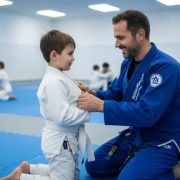
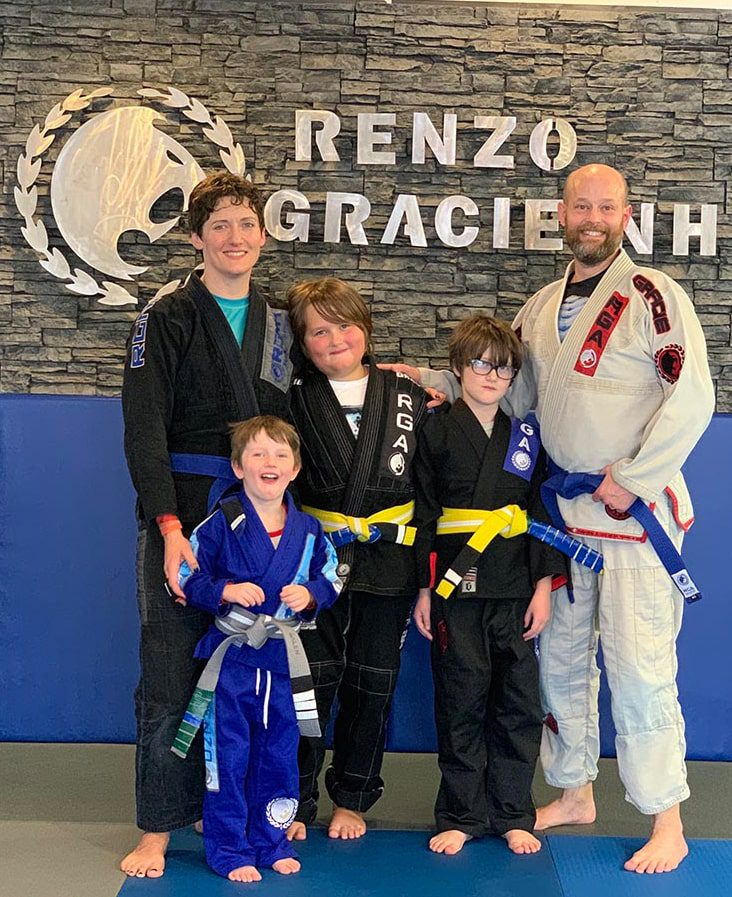
Renzo Gracie NH offers an Adult Jiu Jitsu Program for adults who want to continue developing martial arts skills beyond a self-defense workshop. Families can also explore the Kids Jiu Jitsu Program, giving parents and children a shared way to take part in structured practice. These programs offer ongoing learning rather than a substitute for a workshop focused specifically on threat awareness and response.
If you’re considering training together, a Free Introductory Class offers a first look at the learning environment. Choose the Adult Jiu Jitsu Program for your own practice, or explore the Kids Jiu Jitsu Program for your child. Visit Renzo Gracie NH to learn more.
Keep Building Confidence Through Practice
A workshop can start a conversation about personal safety; regular practice gives you and your daughter another way to keep learning together. For mother-daughter self-defense in Manchester, consider which next step fits your family: focused introductory learning, ongoing martial arts practice, or both at different times.
Renzo Gracie NH offers an Adult Jiu Jitsu Program and a Kids Jiu Jitsu Program, so adults and children can take part in structured training. It also offers Law Enforcement Jiu-Jitsu Training. These programs serve different needs, so choose the one that aligns with your goals and your daughter’s interest in continuing to practise. Shared effort can make learning a positive part of family life, while each person develops at her own pace.
If you’d like to explore training options, contact Renzo Gracie NH. Take the next step when it feels right, and keep building confidence together.
Frequently Asked Questions
What self-defense classes in Manchester are suitable for mothers and daughters?
A focused self-defense workshop suits mothers and daughters seeking practical safety instruction together. For longer-term learning, family martial arts training offers a recurring way to practise skills and build confidence. In Manchester, choose between a short, focused learning experience and ongoing training based on your shared goals, preferred pace, and interest in practising regularly.
How can I check a Manchester self-defense instructor’s qualifications and safety practices?
Ask about the instructor’s training and teaching experience, and how beginners are guided through partner practice. Look for clear demonstrations, controlled drills, and straightforward ways to pause or adjust an exercise. Notice whether the instructor explains boundaries before physical practice and responds respectfully when someone raises a concern. These details help you understand how instruction works before participating.
What should mothers and daughters expect in a beginner self-defense class?
Expect to learn at a beginner-friendly pace, with time to understand instructions before practising. Before class, discuss personal boundaries and agree that either person can speak up if an exercise feels uncomfortable. A mother and daughter may have different confidence levels, so focus on each person understanding the steps rather than keeping pace with each other. A simple question afterward can help you decide what to practise again.
What practical safety skills do Manchester self-defense classes teach?
Classes can help participants make decisions as well as practise physical responses. For example, you and your daughter can rehearse a shared cue for leaving a situation, decide where to move, and plan how to regroup if separated. These habits support awareness and communication in everyday settings, such as a busy shopping area. Talk through the choices together so you both know what the cue means.