Practical self defense for moms in Manchester
The most useful self-defense starts before physical contact. Practical self-defense for moms in Manchester combines awareness and prevention with clear responses if an assault begins. Training can help mothers think through risks such as grabs, strikes, being pinned, or a weapon threat, while keeping the priority on creating an opportunity to get away.
It’s understandable to want skills that feel relevant to everyday life, not just techniques practised in a controlled setting. Confidence grows by learning to notice what’s happening, make decisions under pressure, and practise responses in a supportive environment.
This guide explains how awareness and prevention fit into self-defense, what practical responses training can cover, and what to consider when choosing instruction in Manchester. You’ll also learn how Jiu-Jitsu can support your training and how family-focused classes can make practice part of family life.
Key Takeaways
- Build confidence by noticing your surroundings and recognising situations that may call for a safer choice.
- Learn how professional instruction combines awareness and prevention with practical responses under pressure.
- Explore how training can address grabs, strikes, pins, and weapon threats while prioritising a chance to get away.
- Consider whether adult or children’s Jiu Jitsu training fits your family’s goals and approach to learning.
Confidence and situational awareness
Personal safety involves more than physical responses. Confidence and awareness shape decisions before a situation escalates. In Manchester, mothers can practise noticing changes, choosing safer options, and communicating clear boundaries.
Building Confidence
Confidence means trusting yourself to notice discomfort and act, not assuming you can control another person. Look for instruction that lets you practise decisions in realistic, respectful scenarios, with clear explanations and room to learn at your own pace. For example, if someone’s behaviour feels concerning in a car park, you can rehearse moving toward a staffed, well-lit area. That choice is useful even without physical contact.
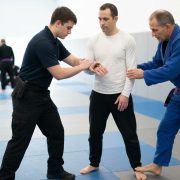
Training should develop calm responses, not pressure participants to confront someone. Master Instructor John Stewart has been a certified police officer for over six years. His background offers a concrete reference point when assessing an instructor’s experience, but also consider whether explanations are accessible and practice feels supportive. A beginner should be able to ask questions, pause, and understand why a response is being taught.
Situational Awareness
Awareness is a repeatable habit: observe your surroundings, notice changes, and identify an exit or someone who could help. For instance, while walking from a shop to a parked car, stay aware of nearby movement and the route back inside. With a child, agree on a simple meeting point in a busy place, such as the shop entrance, so you both know where to regroup if separated.
Use practical cues rather than trying to predict every threat. Notice when someone ignores a boundary, follows your path, or closes the distance after you move away. Create space, head toward other people, and use a firm, audible instruction when appropriate. These choices can help you leave early, before a physical response becomes necessary.
To find free or low-cost personal safety resources in Manchester, search community calendars for workshops and public safety sessions. Review the session description and organizer’s details to see whether the content suits mothers and covers awareness, boundaries, and planning.
How professional self-defense training teaches physical and non-physical strategies to avoid, recognize, and survive an assault
A professional instructor connects decision-making with physical practice rather than treating self-defense as a set of isolated moves. A scenario near a car, for example, can help participants consider prevention, recognition, and response together.
Non-Physical Ways to Avoid Assault
Instructors can use everyday scenarios to practise choices that may prevent an encounter from escalating. A participant might rehearse ending a conversation, moving toward a staffed area, or calling for help when someone ignores a boundary. The focus is on noticing options early, not blaming someone for another person’s actions.
Look for instruction that explains why each option might help and gives participants a chance to practise clear, direct communication. For example, a short verbal boundary can accompany a step toward an exit. An instructor should also discuss how the setting affects your choices, such as whether other people or an open business are nearby.
Recognizing Potential Assaults
Training can help participants identify changes in an interaction rather than rely on a single warning sign. An instructor might stage a practice conversation in which someone keeps closing the distance after being asked to stop. Participants can learn to recognize the change, create space, and decide whether to leave or seek help.
Useful instruction explains how to assess context without treating appearance as proof of intent. It can also help mothers think through specific routines, such as entering a parking area while carrying bags. Ask how scenarios are introduced, discussed, and adjusted for different comfort levels.
Physical Strategies for Survival
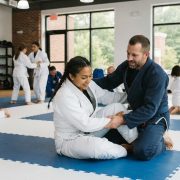
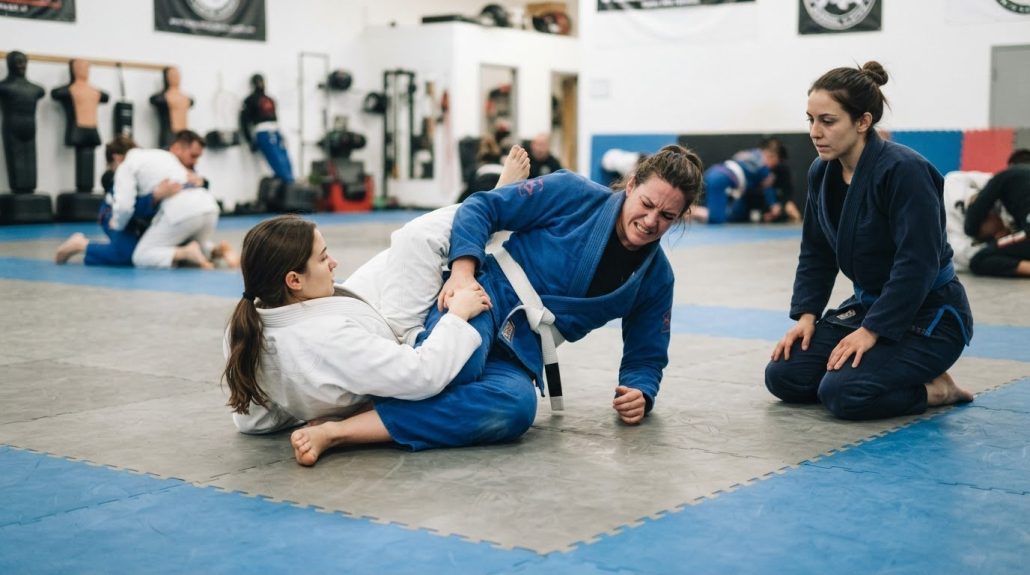
Physical practice should be taught progressively, beginning with clear demonstrations and controlled partner drills. An instructor can explain how to maintain balance, respond to contact, and make space to move away. Before practising a movement with a partner, participants should understand its purpose.
Survival-focused training prioritizes creating an opportunity to escape, not staying to exchange force. In a simulated grab, for instance, practice can focus on regaining movement and reaching a safer area. Instructors should explain practice boundaries, supervise drills, and adjust intensity so participants can learn in a controlled setting.
For a professional example of structured defensive tactics, explore defensive tactics training.
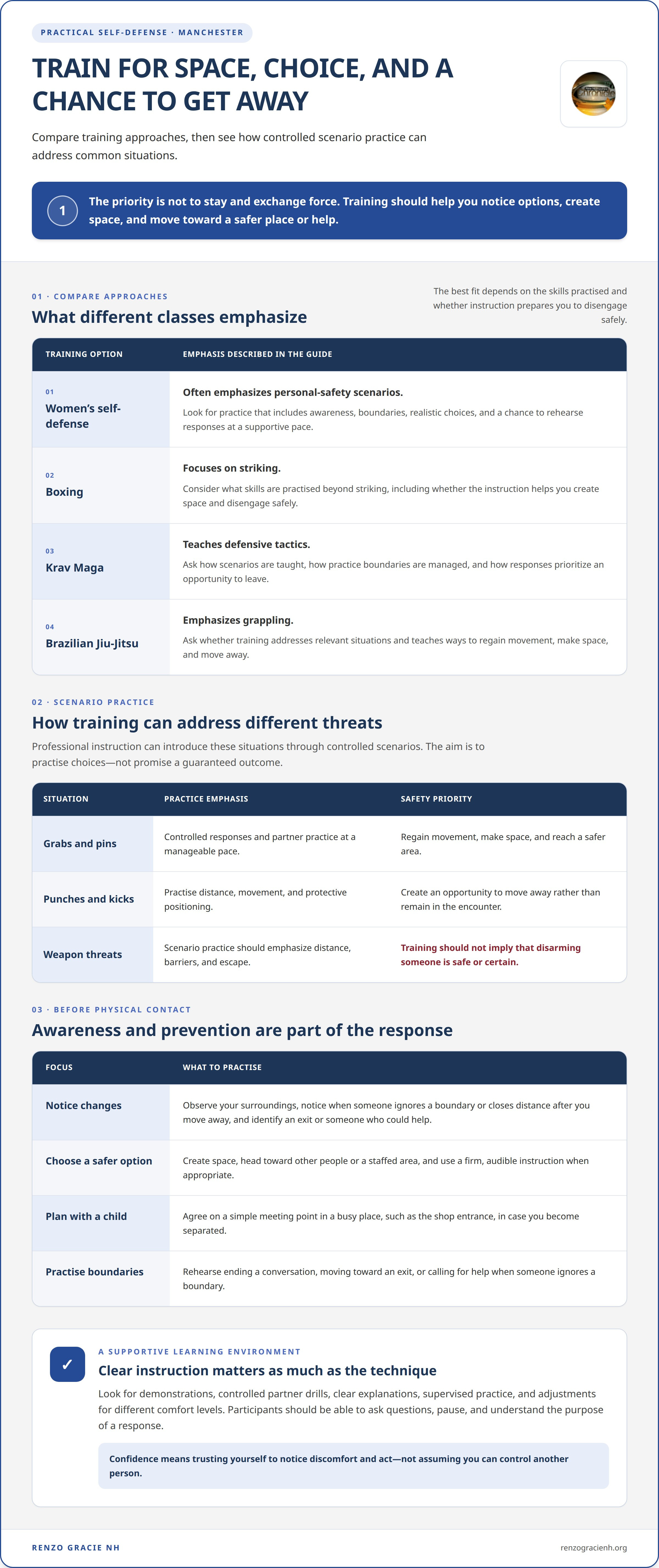
Self-Defense Training for Grabs, Strikes, and Weapons
Professional training can introduce responses to grabs, punches, kicks, pins, and weapon threats through controlled scenarios. The aim is to practise choices that create space to escape, not to promise a guaranteed outcome.
Women’s self-defense classes often emphasize personal safety scenarios; boxing focuses on striking, while Krav Maga teaches defensive tactics and Brazilian Jiu-Jitsu emphasizes grappling. The best fit depends on the skills practised and whether the instruction prepares you to disengage safely.
For a mother walking alone or with children, relevant skills include noticing exits, setting a clear boundary, protecting your movement, and seeking help. Scenario practice can also consider practical constraints, such as keeping a child close while moving toward other people.
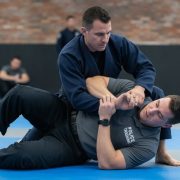
For grabs and pins, an instructor can demonstrate controlled responses, then guide partner practice at a manageable pace. Punches and kicks may be introduced through distance, movement, and protective positioning. Weapon scenarios should emphasize creating distance, using barriers, and escaping. Training shouldn’t imply that disarming someone is safe or certain.
In Manchester, rules for carrying personal safety devices depend on the item and circumstances. Don’t assume a device is lawful to carry just because it appears in a training scenario. Instruction is not legal permission.
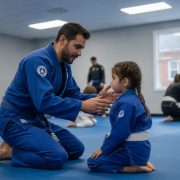
A Kids Jiu Jitsu Program is a separate training option for children, not childcare during a mother’s class. Supervised childcare and children’s martial arts instruction are different arrangements.
To assess an instructor, look for clear explanations, controlled practice, respect for participant boundaries, and a willingness to adapt drills. A school’s approach to questions and beginner instruction can also help you judge whether the environment feels right for you.
Physical practice carries some injury risk, and no class can control every real-world situation. Beginners can reduce avoidable strain by starting with controlled drills, following coaching, and speaking up if a movement causes discomfort.
A free introductory Jiu Jitsu class can help you experience structured practice and decide whether it suits your learning goals.
What practical self-defense classes for women and moms are available in Manchester?
For practical self-defense for moms in Manchester, first decide whether you want an introductory experience or ongoing instruction. A focused workshop may cover personal safety scenarios, while regular Brazilian Jiu-Jitsu classes provide continued martial arts practice. These formats serve different goals, so consider what kind of learning you want to continue.
Class titles alone don’t show what participants practise. Look for clear descriptions: does the instruction focus on awareness, physical skills, or both? A mother wanting to learn grappling and control, for example, may prefer Jiu-Jitsu instruction. Someone seeking an overview of safety decisions may prefer a workshop. The best fit depends on your goals and learning preferences.
A free introductory class can help you experience Jiu-Jitsu before choosing ongoing training. Notice how movements are explained and whether you can follow the instruction as a beginner. This gives you a firsthand sense of the class format, rather than relying only on a description. An introductory session is a starting point, not a substitute for continued learning.
Practical self-defense for Manchester moms may also involve deciding how family routines fit with training. Children’s martial arts instruction and childcare are different arrangements, so don’t assume a child can be supervised during an adult class. Consider whether you want separate training for yourself, instruction for your child, or a family activity, and choose accordingly.
Renzo Gracie NH’s free introductory class offers a way to experience its Jiu-Jitsu instruction. If you’d like to explore whether this approach matches your goals, book a free introductory class.
Women’s self-defense classes are distinct from formal martial arts classes and do not require a uniform. They may suit someone seeking to explore self-defense without committing to ongoing martial arts training. When comparing formats, focus on whether the class matches what you hope to learn. The label alone doesn’t mean it will suit everyone.
The Mom & Me Self-Defense Class is scheduled for Saturday, April 25th, 2026. For a mother weighing a class alongside her own training plans, this gives a specific option to consider. Think about whether this class format aligns with your goals, and distinguish this self-defense class from formal martial arts instruction when choosing what to explore.
Renzo Gracie NH
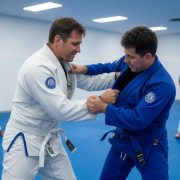
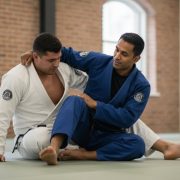
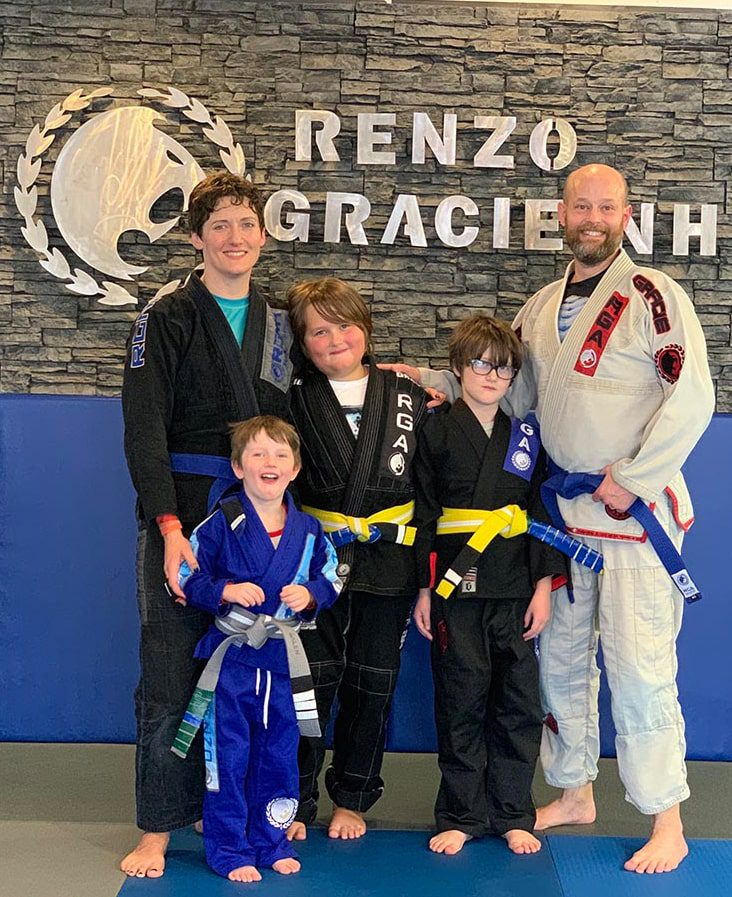
Renzo Gracie NH offers structured Jiu-Jitsu instruction for adults and children, supporting families who want to build practical movement skills through ongoing practice. Mothers can explore the Adult Jiu Jitsu Program, while the Kids Jiu Jitsu Program offers children a separate way to learn. These are martial arts classes, not a substitute for situational awareness, prevention, or emergency support.
If you’re considering whether Jiu-Jitsu fits your personal safety goals, a free introductory class offers a chance to experience the learning environment. Training can develop focus, coordination, and familiarity with close-contact movement, with progress shaped by practice and individual needs.
For a welcoming next step, contact Renzo Gracie NH to discuss your training interests.
Turn your safety goals into steady practice
Practical self-defense for moms in Manchester can begin with a learning goal that fits your life. Choose a focus, such as feeling more prepared during everyday outings, then consider what kind of regular practice could support it. Build skills step by step.
A practical self-defense plan for moms in Manchester can include individual training, children’s classes, or family time. Renzo Gracie NH offers Adult Jiu Jitsu and Kids Jiu Jitsu programs, as well as Law Enforcement Jiu-Jitsu Training. Each serves a different purpose, so consider which option best matches your goals.
If you’d like to discuss your training interests, contact Renzo Gracie NH. Start with the step that feels right, and keep building your confidence through practice.
Frequently Asked Questions
Which Manchester self-defense schools offer beginner-friendly classes and what techniques do they teach?
Renzo Gracie NH provides Brazilian Jiu-Jitsu instruction for adults and children at different experience levels, including in Manchester. The training focuses on grappling and control, while Law Enforcement Jiu-Jitsu Training is designed for professional defensive tactics. New students can use the free introductory class to experience the teaching style and decide whether this approach suits their learning goals.